The same dress, three different days
One familiar silhouette, with a different frame for each part of your life.

A dress can be a useful constant in a wardrobe. Its main silhouette is already decided, leaving the surrounding pieces to establish the mood. To explore its range, choose one you own and enjoy wearing. Then build three complete combinations around the actual places you go, keeping the dress itself unchanged.
This exercise works best when the garment is already comfortable. Check its neckline, length, and freedom of movement before making styling plans. If something requires constant adjustment, a different jacket or shoe is unlikely to resolve the underlying fit. Begin with a foundation you can trust and let the other pieces change the context.
A day with some structure
For a day that calls for a more composed outline, try an outer layer with a clear shape. It might be a jacket, a shirt worn open, or a cardigan with a hem that sits deliberately against the dress. Look at where the two lengths meet. A longer layer can extend the overall line, while a shorter one can introduce a visible division.
Choose footwear for the actual amount of walking and standing involved. The dress does not require one prescribed shoe to become appropriate for a desk or meeting. Try the combination together and check that the hem remains manageable. Add a bag that carries what you need without pulling awkwardly against the layer you have chosen.
Keep the rest of the composition relatively simple while you evaluate it. Once the main relationships work, decide whether a cuff, neckline adjustment, or accessory adds something useful. A composed outfit often comes from a few clear decisions that agree with one another.
A less scheduled afternoon
For a more relaxed day, change the frame around the dress. An open shirt, an easy cardigan, or a practical outer layer can shift the impression without altering the garment beneath it. Try a different shoe shape and notice how it changes the visual weight of the outfit. Familiar footwear can make a dress feel more available for ordinary life.
Pay attention to pockets, bags, and layers as practical details. A dress that works beautifully for a short outing may need a different carrying arrangement for a longer one. If the garment has pockets, check how they affect the line when used. The goal is to enjoy wearing the clothes rather than preserve a photograph of them.
This is a useful moment to experiment with a small change in styling. You might wear sleeves differently or let an outer layer hang open. Keep the change easy enough to maintain. A relaxed outfit that requires continuous attention has missed part of its purpose.

An evening with a different emphasis
Begin by checking the evening's setting and any dress expectation. If the same dress is suitable, consider which detail you want to bring forward. A neckline previously covered by a layer may become the focus. A different shoe or bag can make a familiar silhouette feel more deliberate. You may need only one of those changes.
Try the full combination before leaving, including the coat you will wear in transit. Walk, sit, and check that the outfit still feels comfortable after the day's earlier use. If a replacement shoe changes the hem's relationship with the ground, give that adjustment a proper rehearsal.
There is no requirement for an evening outfit to become less practical. Keeping comfortable footwear or a reliable layer may make the whole experience more enjoyable. Let the change reflect the occasion and your preferences rather than an abstract idea of transformation.
Record what made the difference
Photograph all three versions and write down the small decisions that mattered. Perhaps the jacket length was the key in the first outfit, the shoe in the second, and the open neckline in the third. Those observations make the exercise repeatable. You are building a set of combinations, rather than relying on a burst of inspiration each time.
When considering another dress, use this experience to define what would add something to the wardrobe. Check its actual measurements, material description, care requirements, and available product views. A different print may be appealing, but a different function may be more useful. Both are valid reasons when you can name them clearly.
The pleasure of wearing one dress several ways is that familiarity becomes a creative advantage. You know the garment well enough to notice what the surrounding pieces do. Keep the versions that feel natural, change the ones that do not, and let repetition give the dress a life beyond its first occasion.
Explore the wardrobe
Pieces to explore alongside the story. Stock editorials are separate styling references.
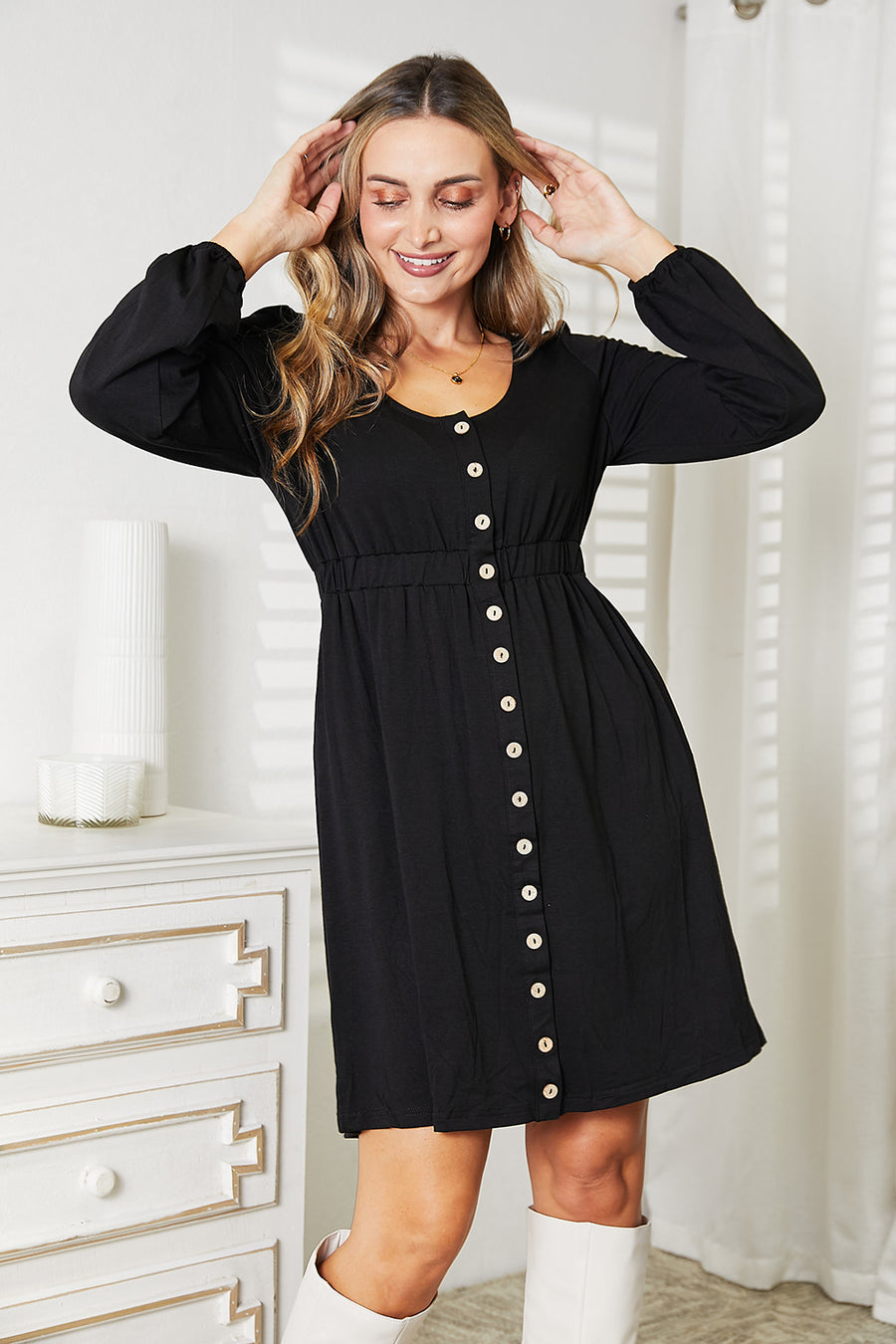
Empire-Waist Pocket Dress
$44.00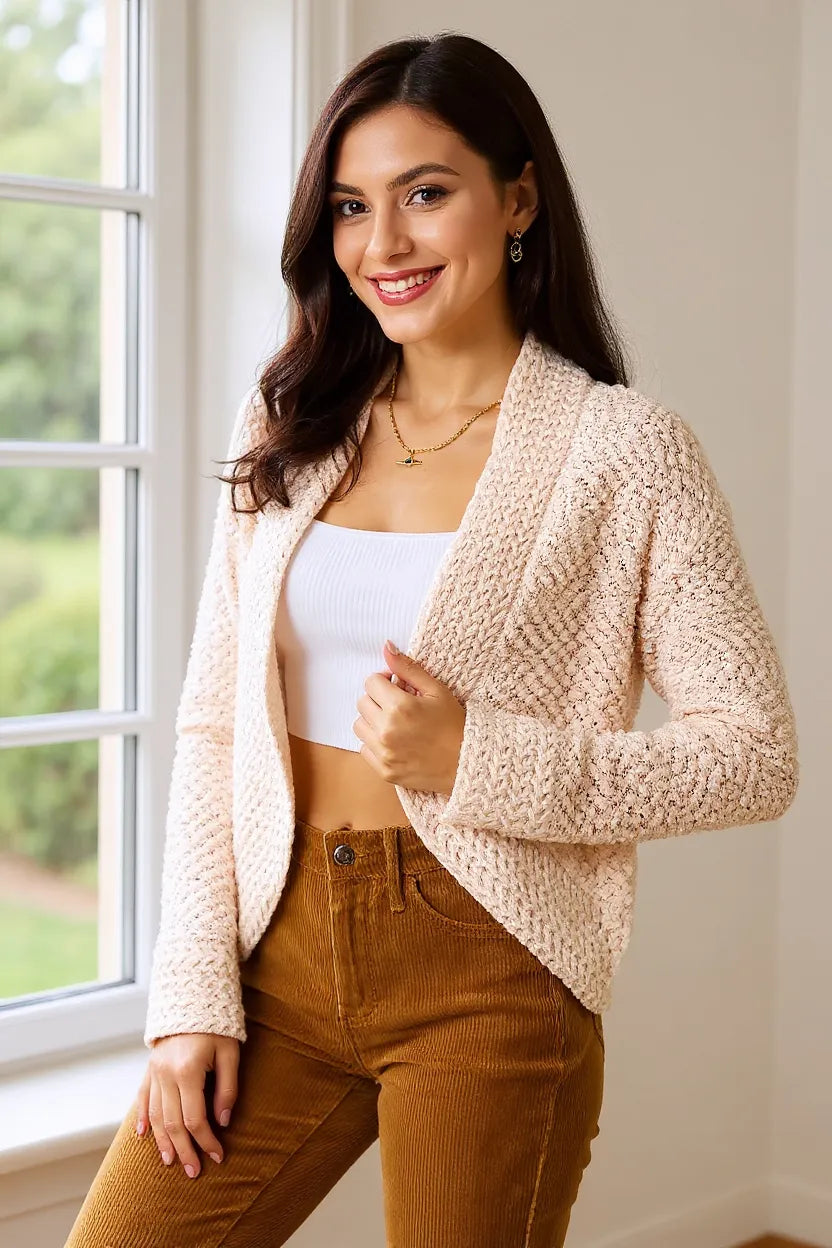
Open Front Cardigan — Cream
$36.00Media credits
Product photography supplied through Trendsi for Empire-Waist Pocket Dress. Consult the product page for the exact garment details.
Source: https://takeflightmerch.com/products/double-take-scoop-neck-empire-waist-long-sleeve-magic-dress
Photograph: Leeloo The First / Pexels. Editorial styling reference; garments and fabric pictured are not store products.
Source: https://www.pexels.com/photo/a-woman-in-black-pants-walking-on-the-street-5900417/
Stock license: https://www.pexels.com/license/