Measure the clothes you love
A practical guide to comparing garment measurements with pieces you already understand.

A size label is a starting point. The measurements beneath it can provide a more useful picture, especially when you understand what is being measured and have a familiar garment to compare. Begin with a piece you enjoy wearing for a similar purpose. Its proportions can help you ask more precise questions about something new.
Choose the reference carefully. A close-fitting top and a roomy overshirt perform different jobs, even when you like both. Compare garments with a similar intended silhouette and consider the layers you plan to wear. The aim is to understand a relationship, rather than to find one set of numbers that applies to every piece of clothing.
Identify the table's subject
Read the measurement labels before using the numbers. Does the table describe the garment itself, or does it give a recommended body range? Does it identify a flat measurement or a circumference? Look for the units and any stated measuring method. Those distinctions matter more than the familiarity of the letter at the top of the size column.
Do not automatically double or halve a number because it looks plausible. A listing should establish what the measurement represents. If a key dimension is unclear, keep the uncertainty visible rather than converting it into a confident size recommendation. A careful pause is more useful than a precise-looking calculation built on the wrong assumption.
Prepare the reference garment
Place the familiar piece on a flat surface without stretching it. Smooth it enough to see its shape, while avoiding tension that changes the dimensions. Use the same measuring points described in the new garment's table where possible. Record the method as well as the number so that you can repeat the comparison later.
For a top, relevant dimensions may include shoulder placement, chest, body length, and sleeve length. For trousers, waist, rise, hip, and inseam may be useful where supplied. You do not need to invent missing measurements. Concentrate on the dimensions that are available and most important to the way you want the garment to fit.

Think about room in use
The space you enjoy in a garment depends on its cut, material, and purpose. A jacket intended to fit over layers needs a different relationship to the body from a simple inner top. Consider how the reference garment behaves when you sit, reach forward, or raise your arms. Its useful measurements are connected to those experiences.
Avoid treating a stated stretch category as a guarantee of comfort or recovery. The amount of stretch you prefer is personal, and a short description may not establish how a garment behaves over time. Use the information as one part of the decision and read the rest of the listing alongside it.
Look at length independently
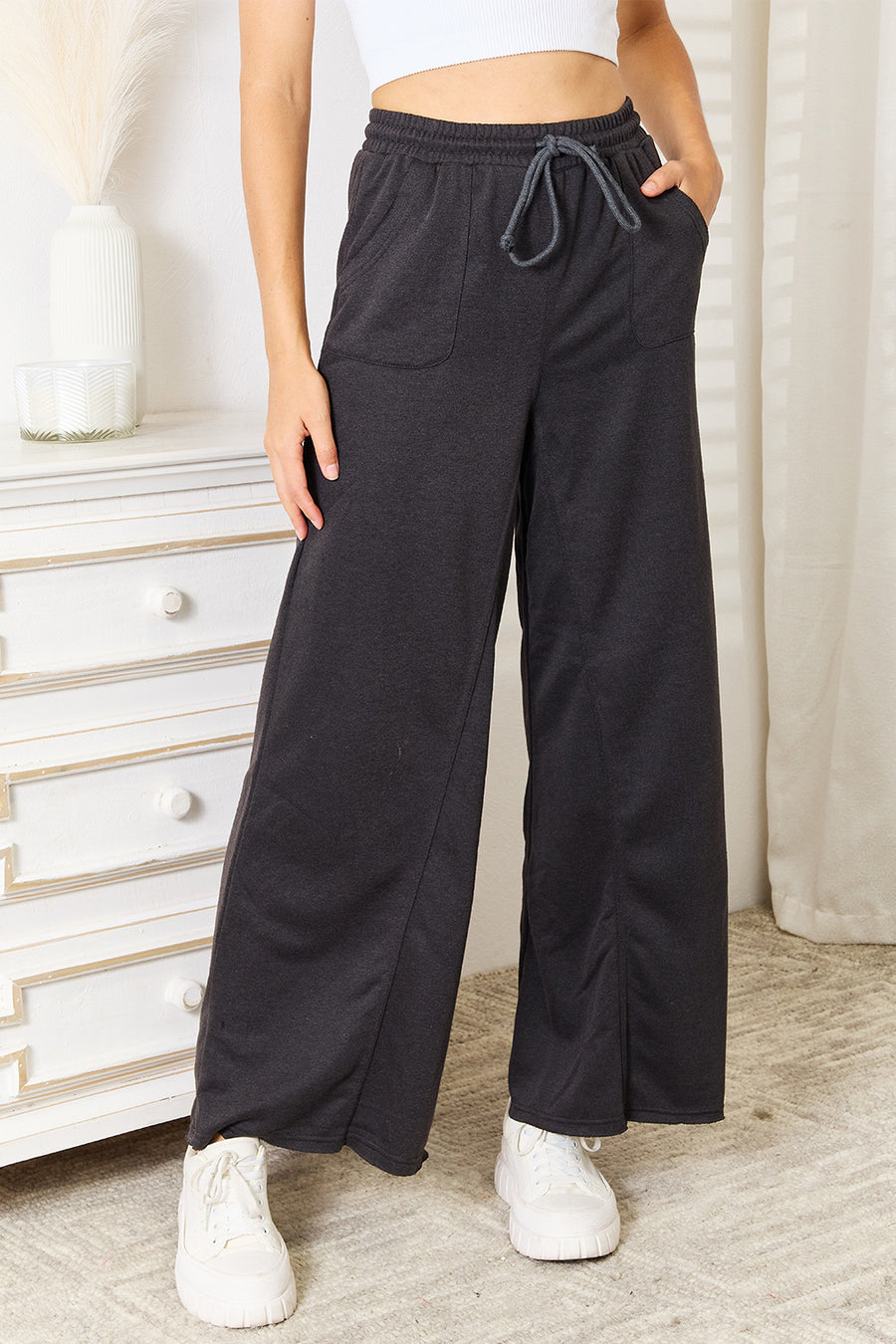
Length can determine whether a garment works even when its other dimensions appear suitable. A top's hem may meet a waistband differently from the reference piece. A sleeve may sit beneath a jacket in a new way. A trouser hem has to work with your actual shoes and the amount of walking you expect to do.
Measure a reference length from the same stated point. Shoulder-to-hem, center-back length, and side length are different paths. If the listing does not explain its method, avoid assuming exact equivalence. Product photographs can add visual context, but model height and pose do not replace clear garment measurements.
Treat sets piece by piece
A matching set asks one size selection to accommodate more than one garment. Review the top and bottom separately and compare each with something you already wear comfortably. You may prefer a roomier top and a different fit through the waist or hip. That preference deserves attention before the visual appeal of the set makes the whole decision.
If the set's two pieces do not appear compatible with your needs, separates may give you more flexibility. This is a practical fit consideration, rather than a judgment about your proportions. Clothing sizes are tools for choosing garments; they do not need to become statements about the wearer.
Keep the reference measurements somewhere easy to find, along with the garment name and measuring method. Update the record if the piece changes with wear or care. Over time, this small library can make online shopping more deliberate, while preserving the important limitation: a measurement comparison helps you assess a possibility, and the actual fit still has to be experienced.
Explore the wardrobe
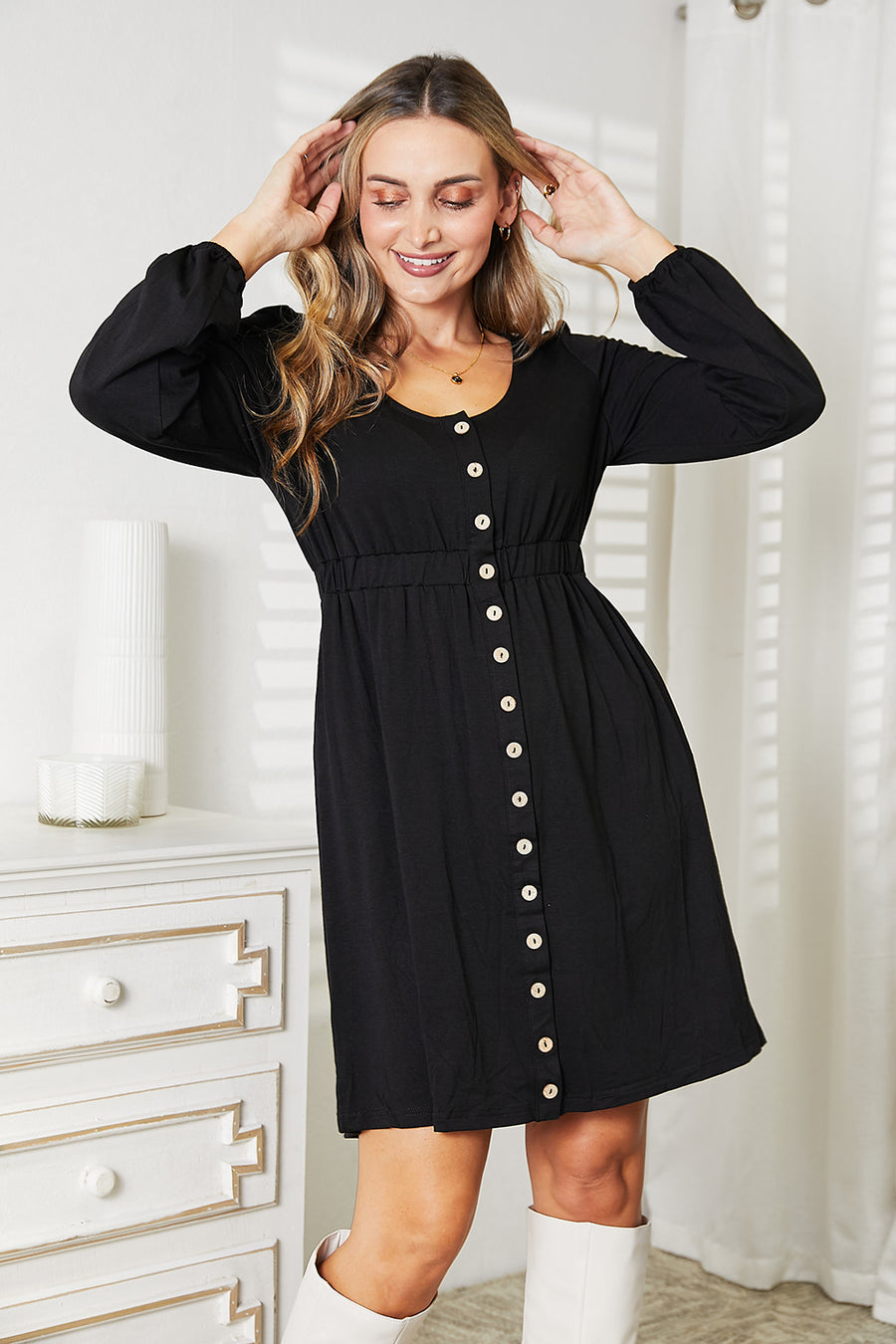
Pieces to explore alongside the story. Stock editorials are separate styling references.
Media credits
Product photography supplied through Trendsi for Dropped-Shoulder Jacket — Camel. Consult the product page for the exact garment details.
Source: https://takeflightmerch.com/products/perfee-long-sleeve-dropped-shoulder-jacket
Photograph: Artem Podrez / Pexels. Editorial styling reference; garments and fabric pictured are not store products.
Source: https://www.pexels.com/photo/close-up-shot-of-a-beige-knit-textile-7232403/
Stock license: https://www.pexels.com/license/