The pleasure of an outfit repeat
Familiar clothes, useful knowledge, and the confidence to wear them again.

An outfit you wear again contains useful knowledge. You know whether its layers cooperate, whether the shoes suit the day, and whether the waistband stays comfortable after lunch. Repeating it gives those discoveries a practical life. It can also make the details more interesting because you have enough familiarity to notice what a small change does.
Start with a combination that already feels like you. Wear it again in a similar setting and pay attention to the experience. The photograph may look almost identical, while the day feels easier because the clothes require less negotiation. That ease is a legitimate quality in a wardrobe.
Separate familiarity from stagnation
Repetition does not prevent experimentation. It gives you a stable base from which to try one. Change a shoe, a layer, or the way a sleeve is worn, and you can see the effect more clearly than if every garment were unfamiliar. You are editing a composition you understand.
Keep the original version available. A successful experiment does not have to replace it. Some days will call for the simpler combination, while others give you time to explore a different emphasis. A personal style can include several closely related versions of the same idea.
Keep a record of comfort
When an outfit works, record more than how it looks. Note whether it suited a long walk, a desk day, changing temperatures, or an evening out. Include any practical adjustments you made. The value of the record lies in helping your future self choose, not in producing an immaculate archive.
A few phone photographs are enough. Group them by the situations that recur in your life or by the piece that anchors the outfit. If you repeatedly reach for one trouser with three different tops, that is a useful pattern to understand before adding another garment to the wardrobe.

Notice the condition of the pieces
Familiarity makes it easier to see changes in clothes. Check fastenings, seams, hems, and areas that receive regular friction. Follow the garment's care instructions and address small maintenance tasks before they prevent you from wearing something you enjoy. These observations belong to the actual piece, rather than to a general expectation about its fiber or price.
Do not confuse a useful care routine with a guarantee of indefinite wear. Garments differ, and their condition changes with use. The practical aim is to understand what your clothes need and to make reasonable decisions about repair, continued use, or replacement when necessary.
Let occasions accumulate
Clothes can acquire associations through ordinary repetition. A jacket becomes familiar on early journeys; a dress belongs to several different gatherings. Those associations are part of a wardrobe's value, even when they are invisible in an image. You do not have to reserve a good outfit for a single photographed moment.
If repeating an outfit for an event feels awkward, ask what you would actually like to change. Perhaps the same clothes with a different layer would feel fresh to you. Perhaps you would prefer to wear the combination exactly as it is and give your attention to the occasion. Both are reasonable choices.
Shop from what repetition teaches
The pieces you wear often can make future purchases more precise. Look at their measurements, proportions, and care requirements. Identify the specific qualities that make them useful. A new garment does not need to look identical, but it should have a plausible place among the combinations you already trust.
Be cautious about expecting a duplicate to behave exactly like a favorite. Fabric, construction, fit, and production can differ even when photographs look similar. Read the actual listing and measurements, and keep any uncertainties visible. Familiarity with one garment is evidence about that garment, rather than a promise about another.
You may also discover that you need fewer additions than you thought. A missing layer or a different trouser proportion can open several combinations, while another isolated statement piece may remain difficult to place. Let your observations shape the decision without turning usefulness into a moral test.
An outfit repeat can be an expression of confidence in a decision you have already made. It allows clothes to become part of your life through use, rather than asking every morning to introduce a new version of you. Keep the combinations that work, pay attention to how they evolve, and leave room for pleasure within the familiar.
Explore the wardrobe
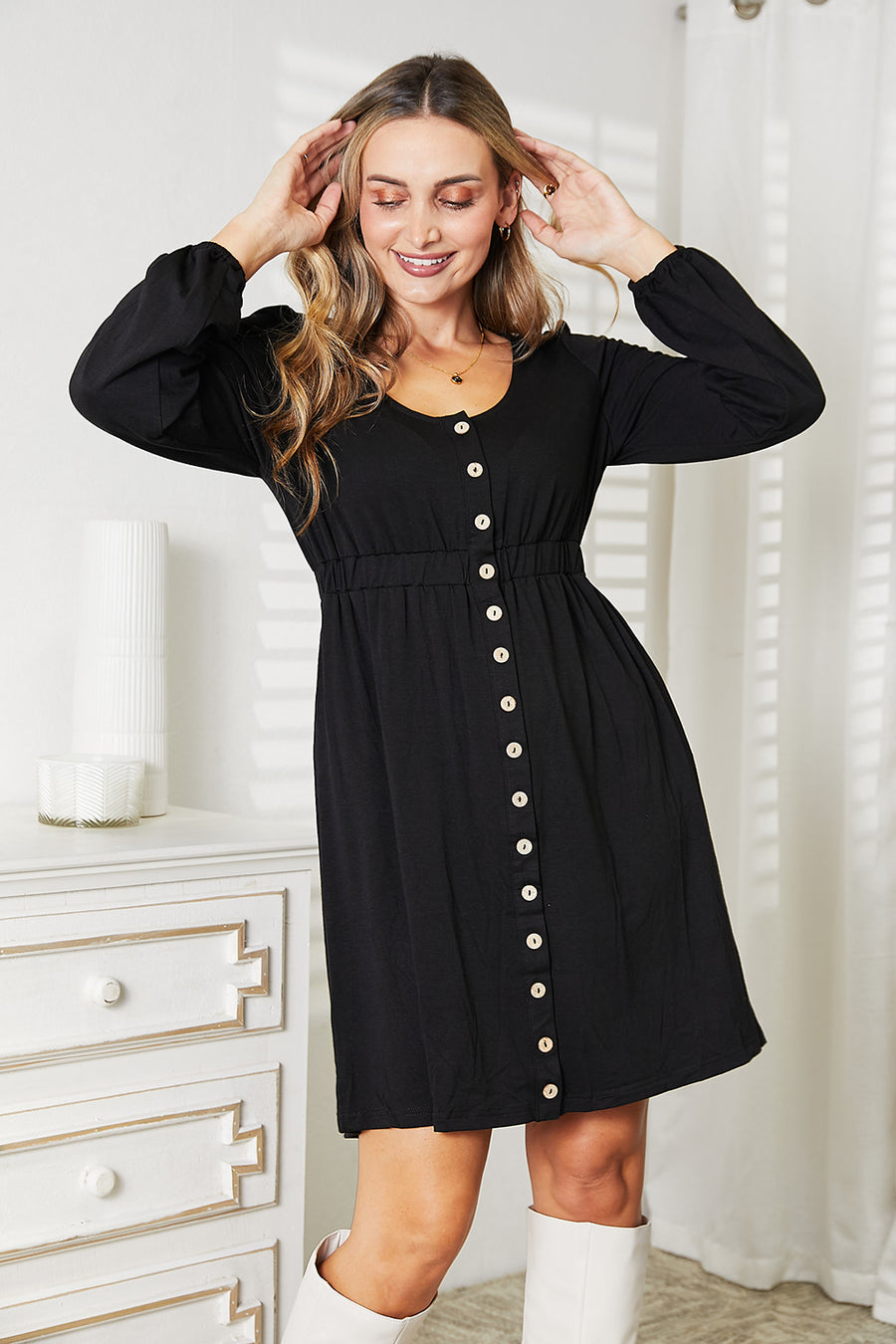
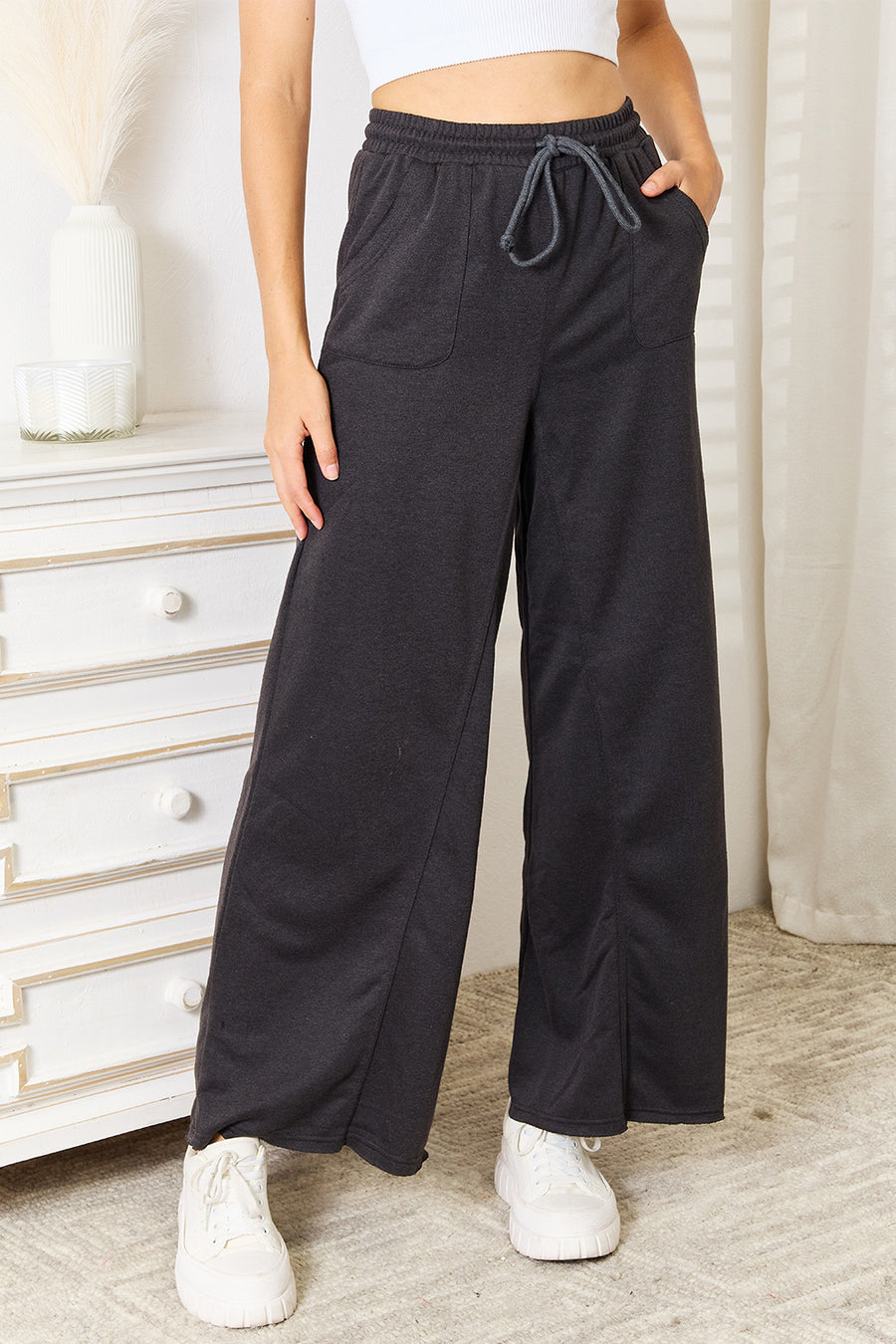
Pieces to explore alongside the story. Stock editorials are separate styling references.
Media credits
Photograph: Leeloo The First / Pexels. Editorial styling reference; garments and fabric pictured are not store products.
Source: https://www.pexels.com/photo/a-woman-in-black-pants-walking-on-the-street-5900417/
Photograph: Leeloo The First / Pexels. Editorial styling reference; garments and fabric pictured are not store products.
Source: https://www.pexels.com/photo/a-woman-in-black-pants-walking-on-the-street-5900417/
Stock license: https://www.pexels.com/license/