Look closer at the details
Closures, seams, pockets, and the difference between visible detail and tested performance.

The details of a garment become most useful when they answer a practical question. How does it close? Where does the pocket sit? Is there a lining? What does the sleeve do when the arm moves? Looking closely can help you understand those features, while keeping the distinction between visible information and untested performance clear.
Begin with the product views rather than the styling impression alone. Look for front, back, side, and detail images where available. Read the description alongside them. A feature that matters to your intended use should be documented clearly enough to inform the decision, rather than supplied by imagination because it would make the garment more appealing.
Follow the fastenings
Identify the actual closure and consider whether it suits the way you plan to wear the piece. Buttons, ties, zips, and pull-on constructions ask different things of the wearer. Check where the fastening begins and ends, whether the description calls it functional, and whether a detail is decorative instead.
A photograph can help you locate the closure, but it rarely establishes how easily it operates or how it will hold up over time. Avoid converting a neat-looking detail into a durability claim. Once you receive a garment, inspect it carefully within the applicable return conditions before deciding it belongs in regular use.
Give pockets a real job
A pocket can be a visual feature, a practical feature, or both. Read whether pockets are present and examine their placement. Think about what you would actually put in them and whether that use might change the garment's line. A styled photograph usually shows pockets in their least demanding state.
If pocket function is essential to you, do not assume it from a seam or a familiar-looking shape. The listing should establish the feature. Even a documented pocket has limits that a photograph may not show, including depth and the way its contents affect movement. Keep those questions separate from the simple fact that the pocket exists.

Look where shapes meet
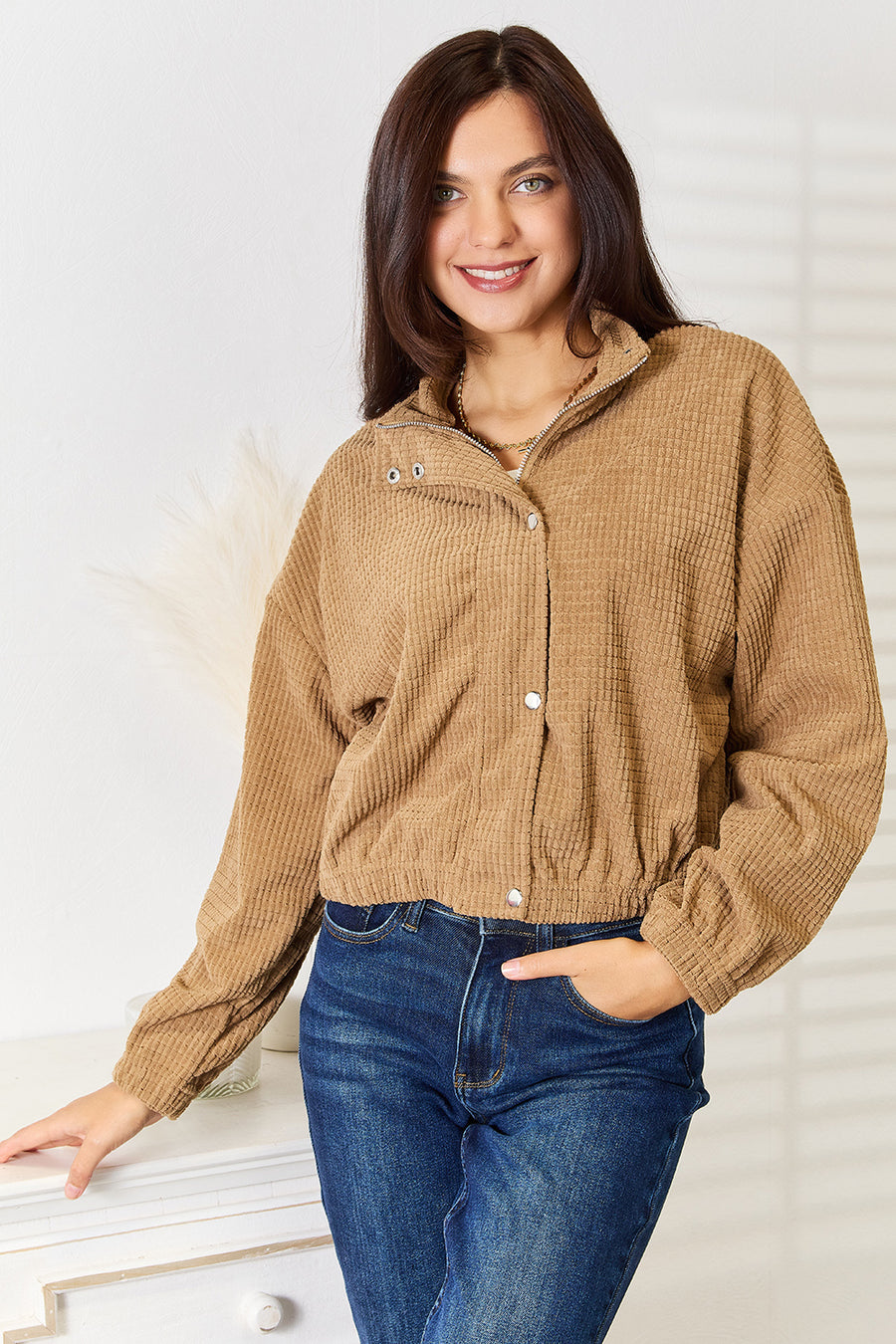
Shoulders, waist seams, cuffs, and hems are useful places to study because they influence the outline of the clothes. A dropped shoulder changes the starting point of a sleeve. A gathered waist changes how fabric is distributed. A curved or high-low hem introduces a different relationship between front and back.
Compare those details with a garment you understand. The goal is to anticipate the kind of shape being offered, not to conclude that a particular construction is universally better. A feature may be exactly what you enjoy in one context and inconvenient in another. Its value depends partly on the job you want the garment to do.
Ask about what is beneath
Lining, opacity, and layering can matter as much as the visible outer surface. Read the product information and view all available images. If a garment is photographed over another piece, do not assume that the coverage belongs to the item being sold. The styling may be showing a combination rather than a self-contained solution.
If an important detail is not established, leave it as an unknown. A confident description of something unverified is less useful than a clear limit. You can enjoy the visual idea and still decide that the available information is insufficient for the purchase you need to make.
Keep inspection proportionate
Detailed photographs can reveal visible inconsistencies, but they do not replace handling the actual garment. Stitch strength, wash behavior, and long-term comfort require different evidence. Take Flight's documentary product checks should not be mistaken for physical testing of every item or batch. The distinction helps keep expectations grounded.
When an item arrives, review it before removing required tags or wearing it beyond the conditions relevant to a return. Follow the published process if something is wrong, and obtain authorization before sending an item back. A return destination should come from the approved process rather than an assumption about the outbound parcel.
Attention to detail can make shopping more deliberate without turning it into an impossible search for certainty. Look for the facts that matter to your use, recognize what the images can show, and keep performance claims tied to evidence. The result is a clearer relationship between the garment you imagine and the one you choose.
Explore the wardrobe
Pieces to explore alongside the story. Stock editorials are separate styling references.
Media credits
Product photography supplied through Trendsi for Dropped-Shoulder Jacket — Camel. Consult the product page for the exact garment details.
Source: https://takeflightmerch.com/products/perfee-long-sleeve-dropped-shoulder-jacket
Photograph: Artem Podrez / Pexels. Editorial styling reference; garments and fabric pictured are not store products.
Source: https://www.pexels.com/photo/close-up-shot-of-a-beige-knit-textile-7232403/
Stock license: https://www.pexels.com/license/