Pack for the days you will have
A suitcase of complete combinations, built around the journey ahead.

A travel wardrobe begins with a sequence of days. Think about the journeys, the amount of walking, the places you will visit, and any occasions with a particular dress expectation. Then consider the weather and the care facilities available. This creates a more useful starting point than a suitcase full of individual pieces that look appealing together on the bed.
The aim is to pack combinations you can actually wear. There is no universal ideal number of items, and different trips require different amounts of flexibility. A short city visit and a week with formal events ask for different things. Let the itinerary guide the wardrobe rather than forcing the trip into a fixed formula.
Choose a few reliable anchors
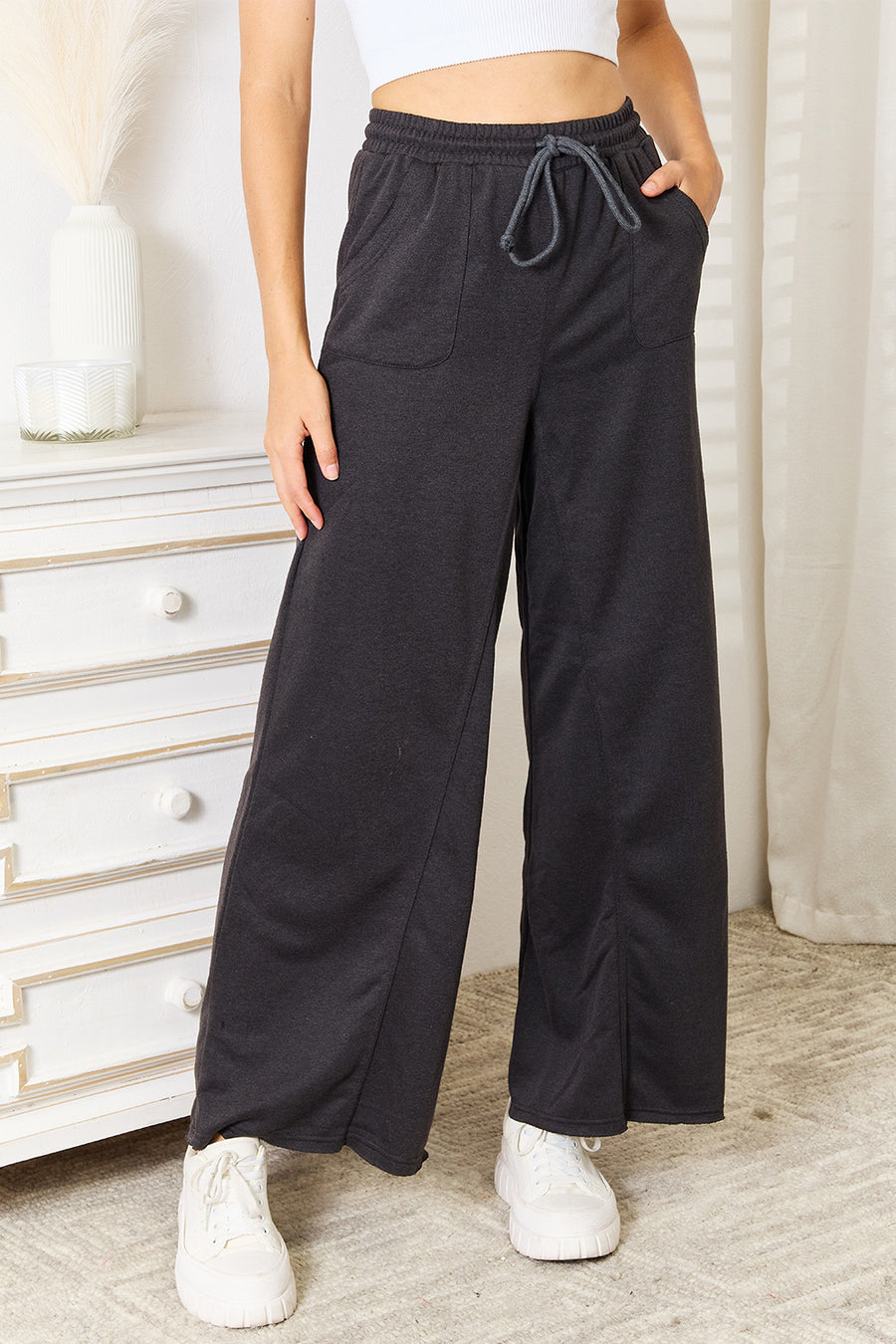
Begin with garments you know well enough to wear for a full day. A familiar trouser, a dress you can move in, or a comfortable set may provide useful starting points. Include the footwear early. Shoes influence hem length, the pace you can maintain, and the amount of space left in the case.
Build outfits around those anchors, physically trying the combinations when possible. Check the outer layer as well as the clothes beneath it. An outfit that works in a warm room may need a very different frame for an early departure or an evening journey back to where you are staying.
Give the palette a purpose
A limited color range can make it easier for pieces to work together, but it should reflect clothes you already enjoy. Choose a few neighboring shades or a familiar neutral base and allow one or two more expressive pieces. The palette is there to create connections, not to remove the pleasure of getting dressed away from home.
Print can help connect several colors, provided the actual garments cooperate. Try the combinations rather than assuming that every item within the palette will work with every other one. Proportion and fabric behavior still matter. A top may be the right shade and the wrong length for the trousers you intended to wear with it.

Rehearse the transitions
Imagine moving through the day with the full outfit on. Where will a removed layer go? Does the bag leave your hands available? Is the hem practical for stairs and transit? If the itinerary includes a change of setting, decide which small adjustment will make the outfit suitable later.
This is a good place to keep the plan modest. A simple accessory or a change in how you wear a layer is easier to manage than an entire second outfit. Leave space in the schedule and the suitcase for the trip to develop differently from the plan.
Read the care requirements
Check the care labels of the clothes you intend to take. Do not assume that a fiber name tells you whether a garment can be washed in the facilities available to you. Construction, trims, and finishes can affect the instructions. If a piece needs special attention, decide whether that attention is realistic during the trip.
The way you pack should also reflect the actual garment. Some pieces are easier to fold; others may need more room or access to appropriate care on arrival. Use your experience of the clothes rather than a universal promise that one packing method prevents every crease. Leave yourself enough time to prepare anything you need soon after arriving.
Carry a little uncertainty
An extra practical layer or a spare familiar top may be more useful than another ambitious outfit. Choose flexibility where the trip is genuinely uncertain, rather than adding items for every hypothetical possibility. A small amount of contingency should help you relax without obscuring the combinations you already planned.
Photograph the finished outfits before packing. This creates a useful reference when the contents of a suitcase are less visible than a wardrobe at home. Include the shoe and layer decisions in the image so that you do not have to reconstruct them from memory after a long journey.
When you return, note what you wore and what stayed untouched. The unused items may have been sensible contingencies, or they may reveal a habit of packing for occasions you rarely encounter. That observation will make the next trip easier to prepare for.
A well-considered travel wardrobe gives you enough options to feel like yourself while keeping the practical decisions manageable. Pack for the days you expect, make room for a change of plan, and let the clothes accompany the experience rather than become another thing to organize.
Explore the wardrobe
Pieces to explore alongside the story. Stock editorials are separate styling references.

Media credits
Film still: amin naderloei / Pexels. Editorial atmosphere; pictured garments are not store products.
Source: https://www.pexels.com/video/woman-walking-on-a-calm-urban-street-34994965/
Photograph: Leeloo The First / Pexels. Editorial styling reference; garments and fabric pictured are not store products.
Source: https://www.pexels.com/photo/a-woman-in-black-pants-walking-on-the-street-5900417/
Stock license: https://www.pexels.com/license/