Care begins before the wash
Labels, storage, and the ordinary decisions that keep clothes available to wear.

Clothing care enters a wardrobe before the first wash. It begins when you read the instructions, consider how a garment fits your routine, and decide where it will live between wears. Those decisions are easy to overlook when the main attraction is a silhouette or a color. Giving them a little attention can make the clothes you enjoy easier to keep in use.
The finished garment's care label is the starting point. A fiber name alone does not describe every construction detail, trim, or finish. Follow the instructions attached to the actual piece and read all the parts together. If a treatment is prohibited, a general tip about that fiber is not a reason to ignore the prohibition.
Read before you need to act
Check the care information when considering a purchase and again when the garment arrives. Decide whether the requirements are realistic for you. If your routine relies on a particular washing method, a piece that needs different treatment deserves a clear purpose. Care should be part of the purchase decision rather than a surprise afterward.
Keep the instructions accessible. Photographing the label can be useful, especially when the text is small or the garment is part of a set. Record which image belongs to which piece. Different items that look similar may have different instructions, and a matching appearance does not make their care interchangeable.
Understand the symbol categories
GINETEX's care guide groups symbols into washing, bleaching, drying, ironing, and professional care. Its explanations can help you read the variations within those categories. Consult the guide when a symbol is unfamiliar rather than making a treatment decision from its rough resemblance to another one.
The useful habit is to read the complete label. A washing instruction is only one part of the process; the drying and ironing directions matter too. Avoid treating an apparently gentle wash as permission for any later treatment. This article provides general context, while the garment's own instructions should determine its care.

Prepare the garment thoughtfully
Before any permitted cleaning, check the piece for loose fastenings, items left in pockets, and areas that need specific attention. Read the instructions on any cleaning product as well as the garment label. A familiar method may not be appropriate for every finish or color. If you are uncertain, seek suitable professional guidance rather than improvising on a garment you value.
For sets, check each component. The pieces may share a style while differing in a detail that matters to care. Keep track of them together so that the practical information remains as coherent as the outfit. A few seconds spent identifying the right instructions can prevent a much longer period of guesswork.
Give storage a practical role
Choose storage that supports the actual shape and weight of the garment. Inspect how it sits when folded or hung, and avoid forcing it into a crowded space where it becomes difficult to see or retrieve. The appropriate method can vary, so use the care information and your observations rather than a single rule for every category.
Leave garments accessible enough to check their condition. A loose button or a small issue at a hem is easier to address when you notice it before the day you intend to wear the piece. Maintenance can be a modest recurring task instead of an obstacle that accumulates at the back of a wardrobe.
Make room for real experience
Observe how your own clothes respond to permitted care. Keep notes if a particular piece needs extra attention or preparation. Those observations are evidence about the garment you have used. They are more meaningful than an unsupported claim that a whole material category always behaves one way.
No care routine guarantees indefinite wear, and this issue does not claim wash testing for store products. The useful aim is more practical: understand the instructions, handle the actual piece with attention, and make decisions that fit its condition and your life. A wardrobe becomes easier to enjoy when care is considered part of wearing clothes rather than an unrelated chore waiting afterward.
Reference
GINETEX's care-symbol guide explains the symbol system and its variations. Use it alongside the label on the garment, rather than as a substitute for product-specific instructions.
Explore the wardrobe
Pieces to explore alongside the story. Stock editorials are separate styling references.

Open Front Cardigan — Cream
$36.00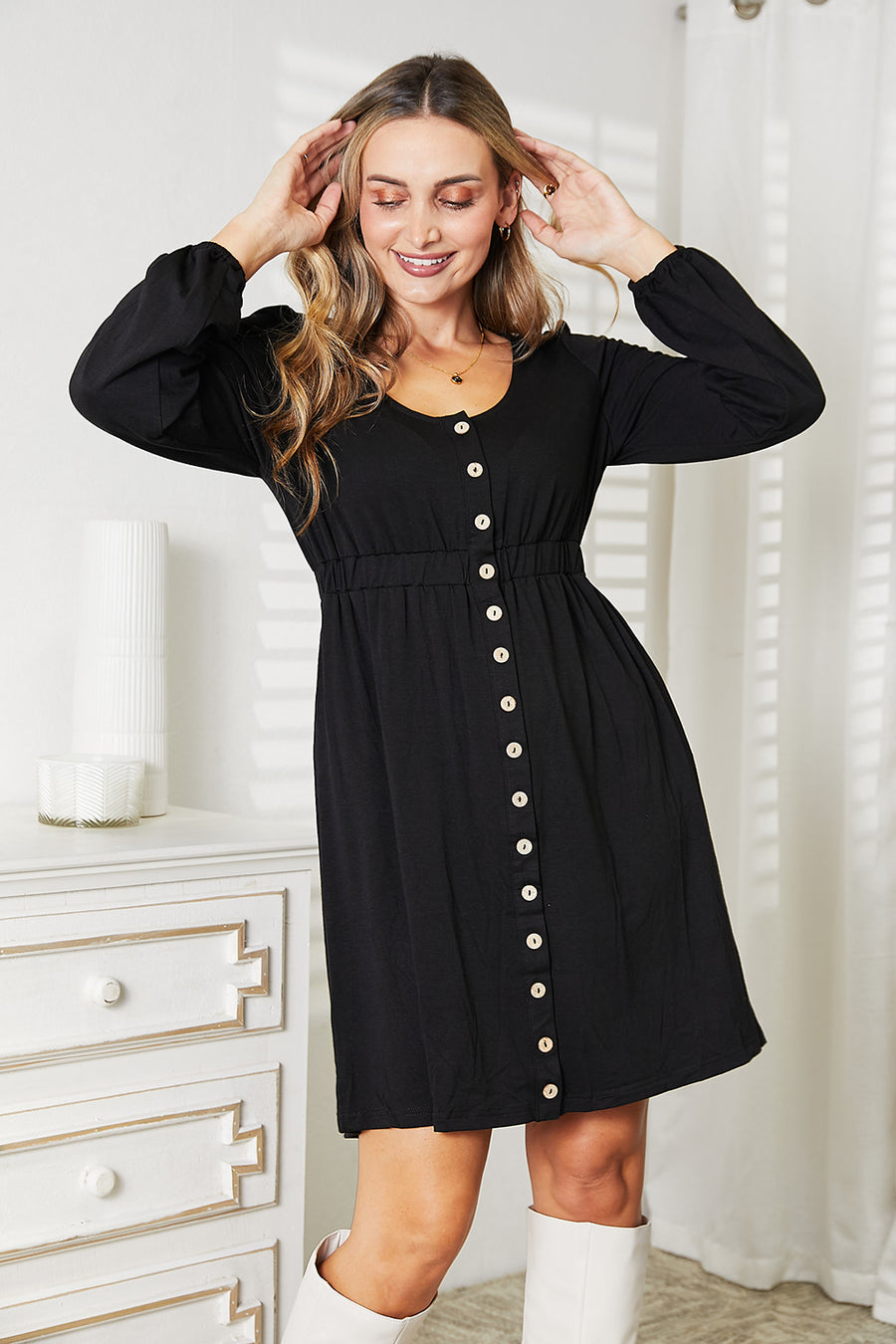
Empire-Waist Pocket Dress
$44.00Media credits
Product photography supplied through Trendsi for Open Front Cardigan — Cream. Consult the product page for the exact garment details.
Source: https://takeflightmerch.com/products/double-take-open-front-long-sleeve-cardigan
Photograph: Artem Podrez / Pexels. Editorial styling reference; garments and fabric pictured are not store products.
Source: https://www.pexels.com/photo/close-up-shot-of-a-beige-knit-textile-7232403/
Stock license: https://www.pexels.com/license/