A wardrobe that works harder
Thoughtful pieces, real-life combinations, and a more intentional way to dress.

Open a wardrobe and the most useful information is often in the pieces you reach for without negotiating with yourself. They suit the places you go. Their proportions are familiar. You know which shoes work, which layer fits over them, and whether you can sit in them for a long journey. A wardrobe that works harder begins with that knowledge and finds ways to make more of it available.
This is a practical editorial exercise, with no required number of garments and no promise that everyone needs the same essentials. A white shirt may be central to one person's life and irrelevant to another's. A dress might solve an entire day for someone who dislikes putting separates together. The aim is to understand the clothes in relation to the person who wears them, rather than to complete a list assembled for an imaginary life.
Observe what is already working
For a week, notice the clothes you actually wear. A quick photograph each morning is enough. Add a few words later about comfort, the weather, and any adjustment you made. Include the ordinary days. They are where a wardrobe spends most of its time, and they can reveal more than the occasional outfit you plan carefully for an event.
At the end of the week, look for repeated shapes or combinations. Perhaps you prefer a generous top with a clearer trouser line, or a dress with an open layer. Perhaps one pair of trousers appears whenever a long day is ahead. These patterns are useful because they describe choices you have already tested. Give them more weight than a picture that appeals to you for a moment on a screen.
Also notice the friction. A sleeve that will not sit under a coat, a waistband that becomes uncomfortable at a desk, or a top that only works with one difficult-to-maintain layer can make an otherwise appealing garment less useful. Record the specific issue. It may be possible to solve the combination, or the piece may belong in a smaller part of your life than you initially imagined.
Build around combinations
Instead of asking how many tops or trousers you own, ask how many complete outfits you can comfortably make for the things you do. Put a few together physically, including footwear and any necessary outer layer. This turns a vague sense of having nothing to wear into a series of more precise questions. You may have plenty of interesting clothes and only one missing connection.
A simple exercise is to choose one familiar bottom and try it with three tops. Keep the shoes constant. Notice what each top changes: the visible waist, the amount of volume, the neckline, the level of detail. Photograph the combinations that work and make a note of the context in which you would wear them. You have created a small set of options without buying anything.
Then reverse the exercise. Keep a favorite top and change the lower half. The same shirt may look relaxed over a straight trouser and more composed tucked into a fuller one. A matching set may yield two useful separates as well as its original combination. Let the actual cut and fit guide you; the possibility of separating a set does not guarantee that both pieces will suit every other item.

Give each new piece a reason
When you consider adding something, identify the specific job it will do. Perhaps you need a layer with enough sleeve room for the tops you already wear, or a trouser length that works with your regular shoes. A precise need is easier to evaluate than a general wish for something new. It also makes the product information more useful: you know which measurements and details to check.
Imagine at least three plausible outfits with existing clothes, then test the idea against the listing. Check composition, care, measurements, fastening, lining information where available, and the return conditions. If the details do not establish something important to you, leave that uncertainty visible in the decision. An attractive photograph should not have to carry the weight of an unverified promise.
Consider how much care the piece asks of you. If your routine depends on straightforward washing and storage, a garment with more involved instructions may need a very clear purpose. The right choice is the one you can realistically maintain. A wardrobe becomes less useful when its most appealing clothes are always waiting for attention you do not have time to give them.
Practicality can be part of an outfit’s elegance.
Make layers cooperate
Layering is a relationship among shapes as much as a response to temperature. Try the intended garments together before treating them as a reliable combination. Check the shoulder, upper arm, and cuff. Raise your arms and sit down. An outer layer needs enough space for what you plan to wear beneath it, and two individually comfortable pieces can still compete when combined.
Length matters here, too. A shirt that extends below a jacket can create a deliberate second line. A top that ends at the same point as the layer above it may create a quieter outline. Neither is inherently better. Decide whether you want separation or continuity, and check the back and side views so that the choice works beyond the mirror's first impression.
Think about where a removed layer will go. If your day moves between a cold commute and a warmer room, a light layer that fits into your bag may be more useful than a more dramatic one you have to carry. Practicality can be part of an outfit's elegance because it allows you to move through the day without managing your clothes constantly.
Keep the knowledge accessible
A small outfit album can be more helpful than a perfectly arranged rail. Group photographs by situations that recur in your life: long walking days, desk days, relaxed evenings, celebrations. You do not need to document everything. Start with a handful of combinations that make mornings easier and add to them when an experiment succeeds.
Store the clothes so that useful options remain visible. A piece hidden beneath several others can disappear from your working wardrobe even though you still own it. Organize in a way that suits how you choose: by type, by likely combination, or by the part of your week it serves. Leave enough space to see what is actually there.
Maintenance belongs in this system. Follow garment care labels, deal with a loose fastening before it becomes a larger inconvenience, and check clothes you plan to wear for an event in advance. These are modest tasks, but they can preserve the usefulness of pieces you already enjoy. No editorial description can substitute for the condition of the actual garment in your hands.
Make a small review useful
Choose one recurring situation and lay out the clothes you would wear for it this week. Look for the point at which the combinations become difficult. You might have several tops with similar lengths and no outer layer that accommodates them, or enough occasion clothes and too few comfortable everyday bottoms. Naming that imbalance is more useful than deciding the entire wardrobe needs replacing. Set aside the combinations that already work, then investigate the single missing connection. A modest review can produce a precise next step while leaving the rest of the clothes available to enjoy.
Leave room for pleasure
Usefulness need not mean every item has to work in every situation. Some clothes matter because you enjoy their color, shape, or associations. An expressive dress worn occasionally may have a perfectly good place in your wardrobe. The distinction is whether you understand its role, rather than expecting it to solve everyday needs it was never suited to meet.
Allow the wardrobe to change with your life. A different commute, a new climate, more time at home, or a change in how you want to present yourself can alter what is useful. Revisit your observations rather than holding yourself to a previous version of your style. The aim is a working relationship with clothes, not a fixed identity that needs defending.
At its best, a wardrobe makes its own possibilities visible. Familiar pieces connect easily, new additions have a clear purpose, and care fits into ordinary life. Getting dressed becomes less about searching for a missing answer and more about choosing among combinations you understand. That is the kind of work clothes can do well: accompany you, give you options, and leave you free to think about the day ahead.
Explore the wardrobe
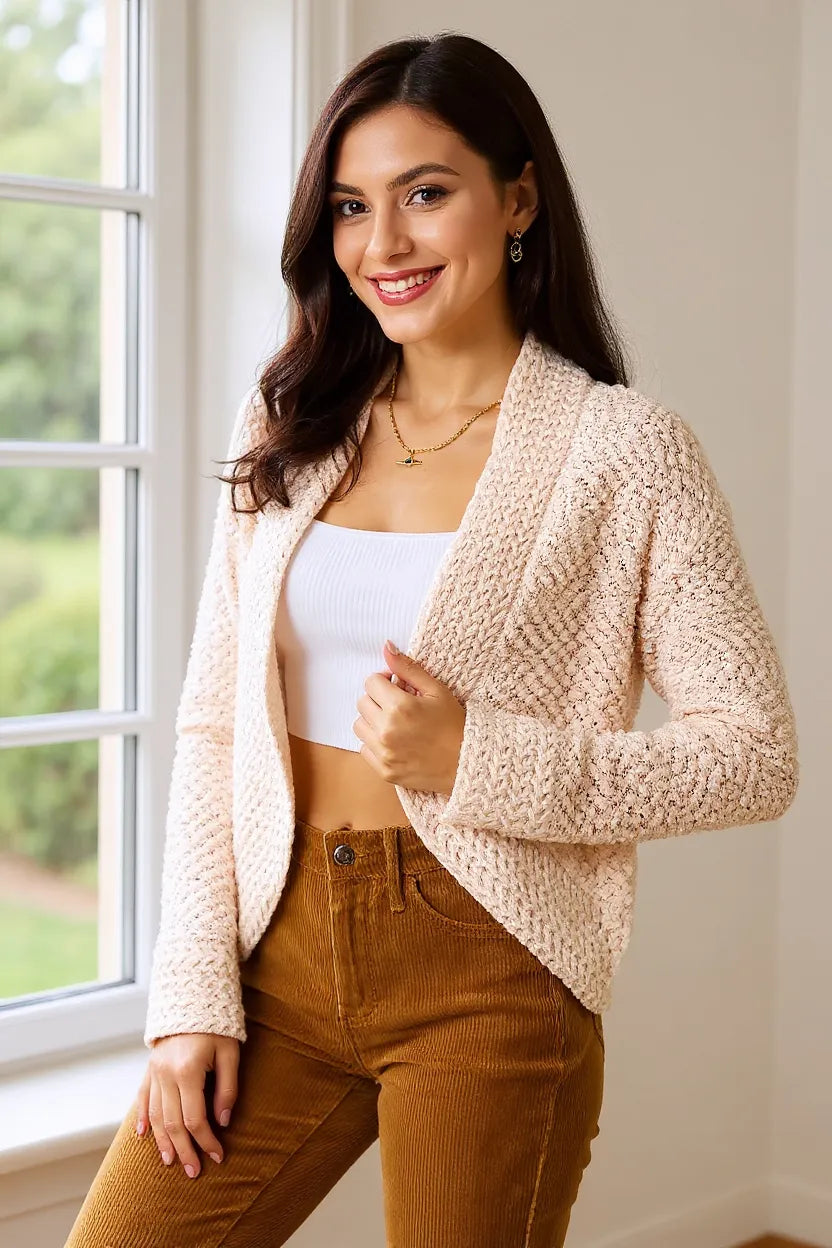
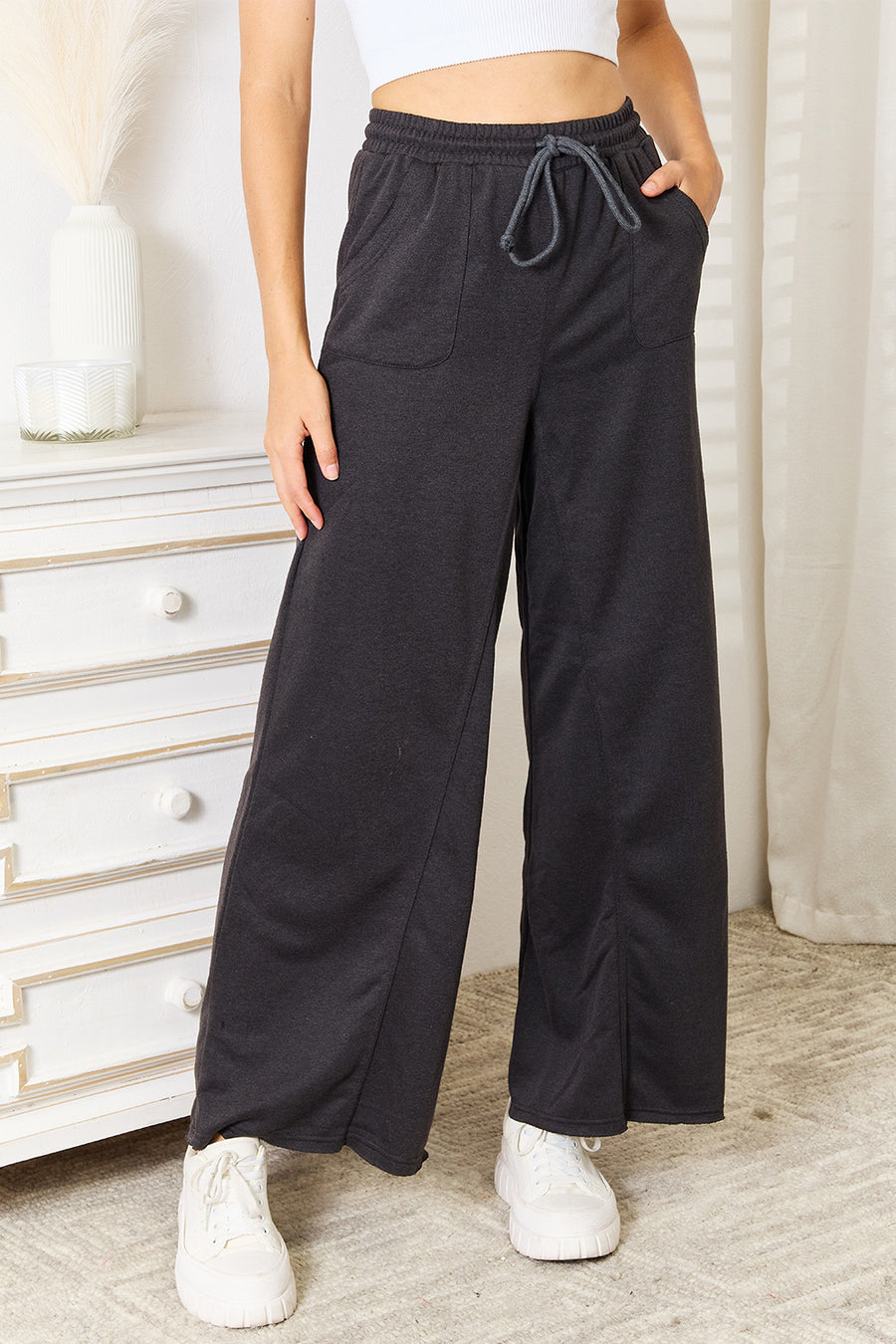
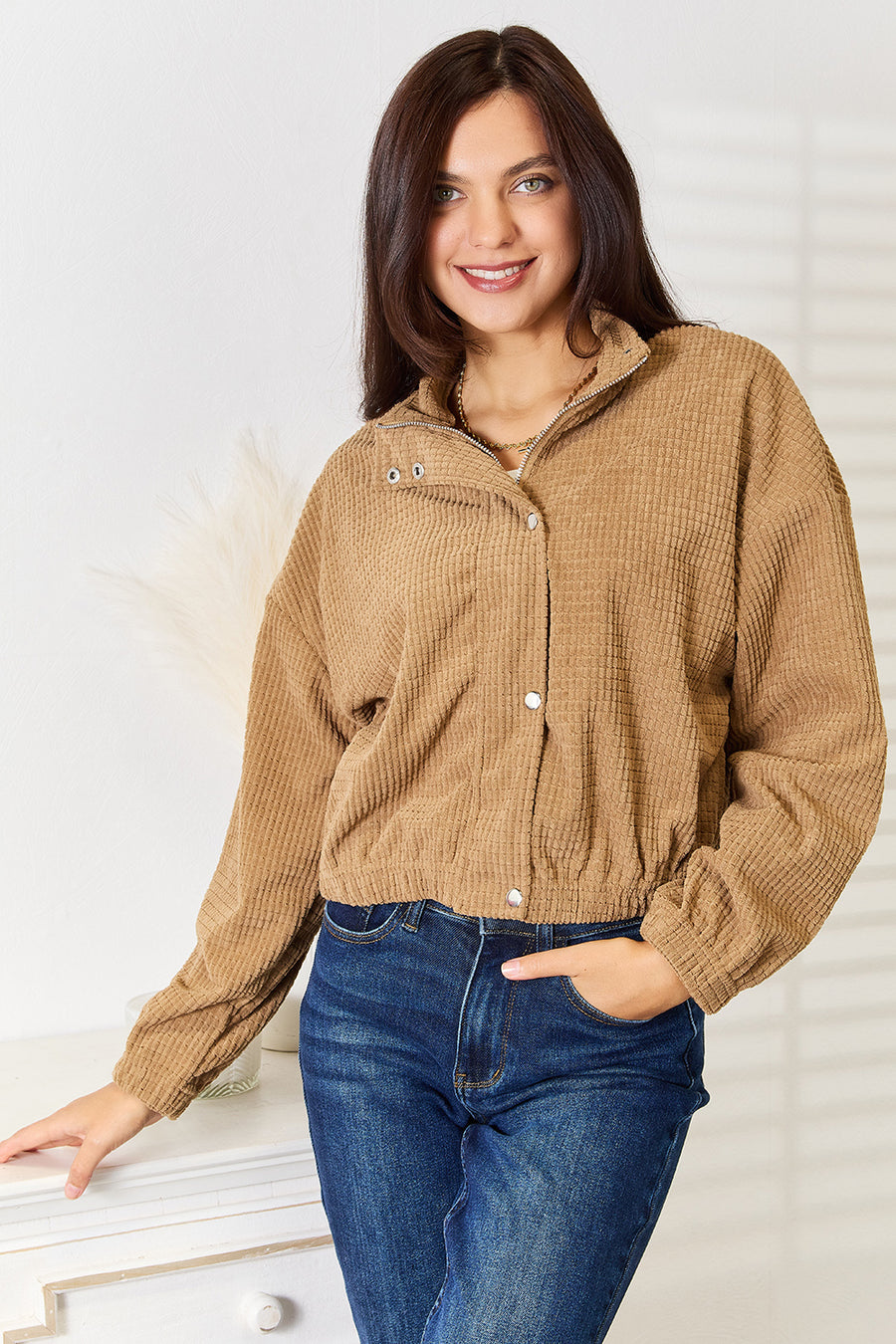
Pieces to explore alongside the story. Stock editorials are separate styling references.
Media credits
Photograph: Leeloo The First / Pexels. Editorial styling reference; garments and fabric pictured are not store products.
Source: https://www.pexels.com/photo/woman-in-black-coat-standing-on-the-sidewalk-5900412/
Photograph: Leeloo The First / Pexels. Editorial styling reference; garments and fabric pictured are not store products.
Source: https://www.pexels.com/photo/a-woman-in-black-pants-walking-on-the-street-5900417/
Stock license: https://www.pexels.com/license/