The art of getting dressed
Proportion, texture, and the pleasure of making a wardrobe your own.

There is a particular pleasure in an outfit that settles into place. A sleeve sits where you want it. A trouser hem meets the shoe without an argument. The jacket you put on almost absent-mindedly gives the whole arrangement a shape. Nothing about the morning has become less complicated, yet getting dressed has stopped adding to the noise. That feeling is the starting point for this issue: the small, observable decisions that make clothes useful, expressive, and your own.
Fashion photographs often offer a completed sentence. They show an outfit in the right light, from the right angle, at a moment when everything appears resolved. A wardrobe lives in the drafts. Its clothes have to accompany a commute, a desk, an unexpected temperature change, a long lunch, a missed train. The interesting work happens when an appealing image becomes a practical possibility. How much room does that layer need? Where does the waist sit when you sit down? What changes when the shoes change?
Begin with the day you have
Before choosing a silhouette, make a small inventory of the day. Consider the weather, the amount of walking, the places you will spend time, and whether you need to carry a layer. This need not become a checklist on the wardrobe door. It is simply a way of giving your preferences something concrete to work with. A beautifully composed outfit becomes difficult to enjoy when its basic requirements are at odds with yours.
Start with the piece that answers the most important requirement. That might be a pair of trousers you can sit in comfortably, a dress that gives you freedom to move, or a shirt whose sleeves fit beneath a jacket. Build outward. If there is extensive walking ahead, the shoes may be the first decision. If an event has a particular dress expectation, begin there. Choosing an anchor reduces the number of things you ask every other garment to solve.
It also gives repetition a useful role. An outfit that worked last Tuesday is valuable information. Wear it again, observe what changed, and adjust one detail if you wish. The point of a personal wardrobe is that it accumulates knowledge. Familiarity can be part of the pleasure.
Look at the whole line
Proportion describes relationships: a jacket to a trouser, a sleeve to a hand, a neckline to the layer beneath it. You can explore those relationships without assigning your body a corrective task. Clothes do not need to make everyone taller, narrower, or closer to a single preferred outline. They can offer volume, sharpness, softness, emphasis, or a little deliberate awkwardness. Decide what interests you before deciding what needs changing.
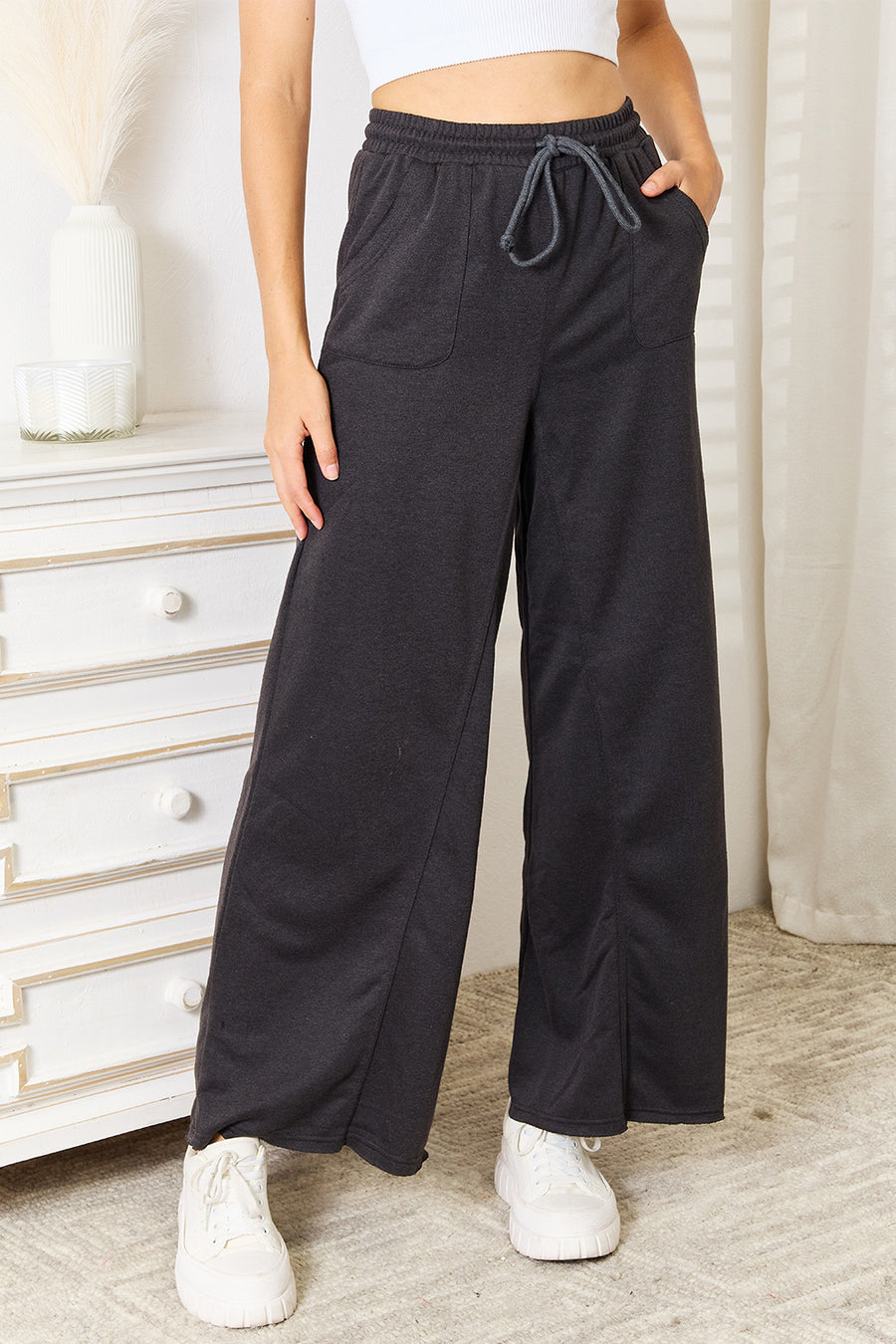
Try a loose top with two different bottoms. A straight or narrow trouser can give its volume a clear point of contrast. A wider trouser can extend that volume into a column. Both arrangements may work. The question is which one feels intentional to you, and whether you can move comfortably in it. A quick photograph at a natural distance can help you see the whole arrangement without concentrating on a single detail in the mirror.
Hems are particularly useful editing points. Tuck a shirt, leave it loose, or fold a cuff, and the visible proportions change with very little effort. Check those changes from the side as well as the front. A half tuck that looks relaxed standing still may pull awkwardly when you sit. Give the outfit a small rehearsal before committing to it for the day.

Let texture do some of the work
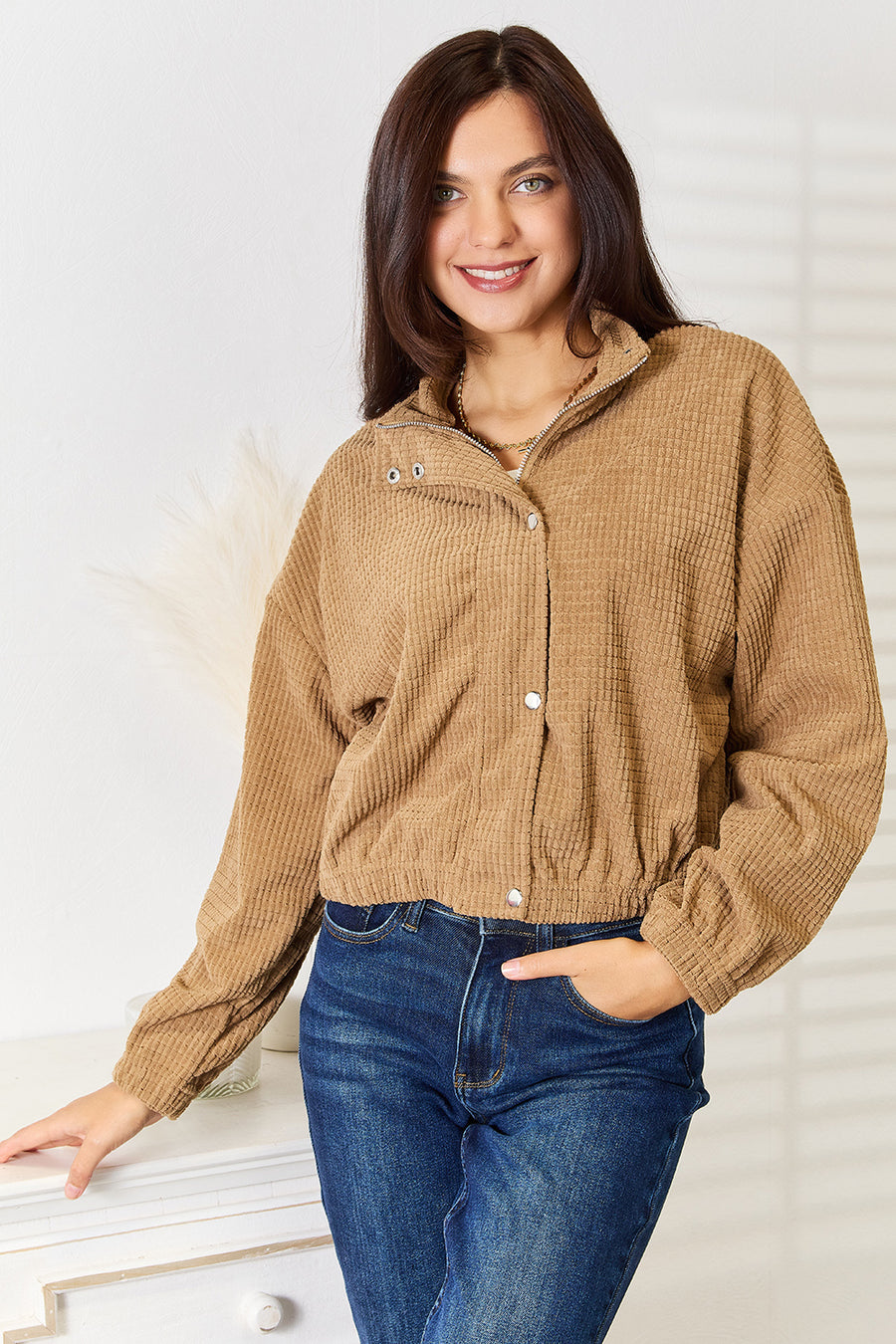
An outfit can have a limited palette and still offer plenty to look at. A surface that catches the light beside one that absorbs it creates a subtle distinction. A smooth shirt under a visibly textured layer can make both easier to appreciate. This is a visual observation, rather than a judgment about fiber quality. A photograph cannot establish how a fabric feels, wears, or survives washing.
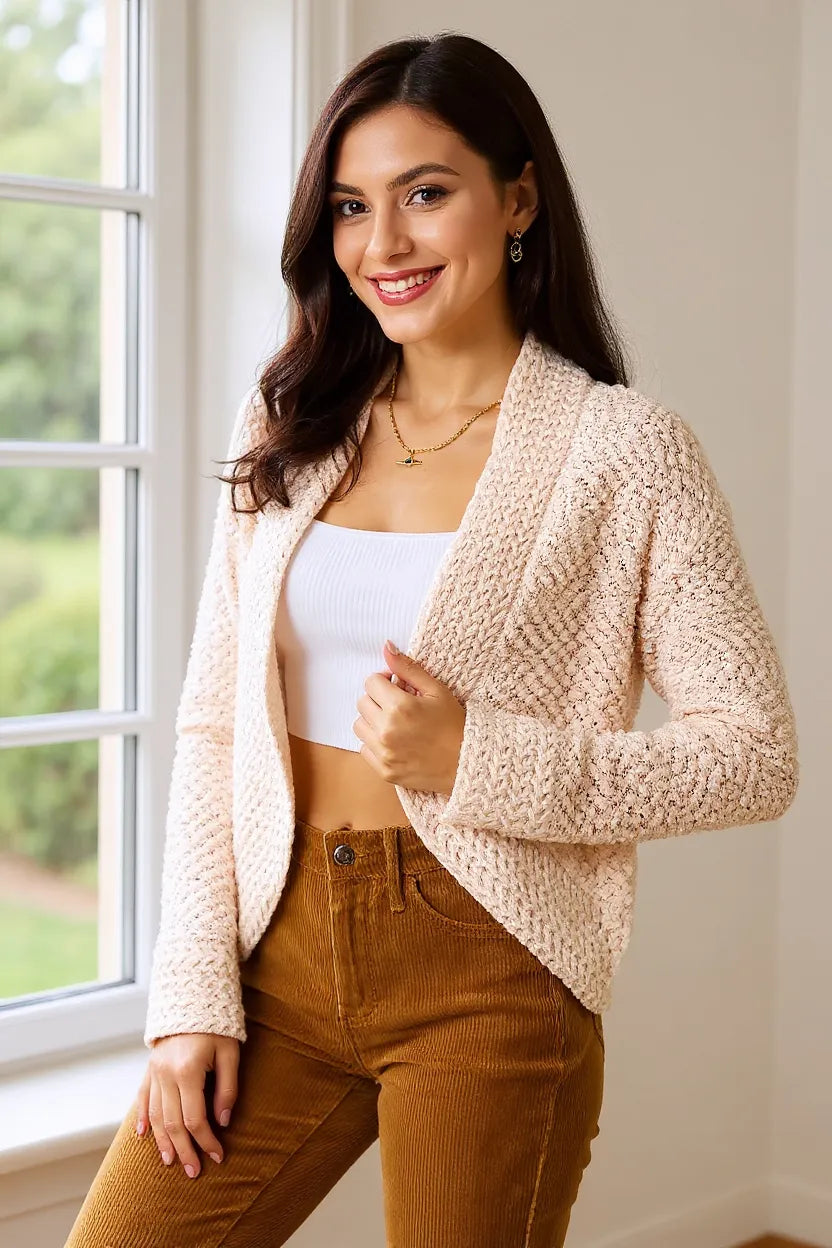
If you enjoy quiet colors, vary the scale of the surfaces. A fine texture close to the face and a broader one in an outer layer can create depth without introducing a print. If you prefer expressive color, allow some surfaces to remain uncomplicated so that every element does not demand attention at once. Put the clothes together in daylight when possible. The relationship between two seemingly similar shades can change under different lighting.
Treat fabric information as part of the composition, too. Check the actual material description, care instructions, and measurements before buying. A garment that requires care you are unlikely to give it may spend more time waiting than being worn. A useful wardrobe respects the time and attention available to maintain it.
A wardrobe lives in the drafts.
Give color a clear job
Color can connect an outfit, interrupt it, or establish its mood. You do not need a seasonal diagnosis to begin experimenting. Place a shirt beside two pieces you already wear often. Notice whether you like the contrast, whether the undertones feel compatible to you, and whether the combination suggests a place you actually go. Those observations will usually be more useful than buying an isolated shade because it looks appealing on a screen.
For an easy starting point, keep most of the outfit within a close range of tones and introduce one clear contrast. That contrast might be a pale neckline beneath a darker jacket, or a printed skirt beside a plain top. It does not have to be an accessory, and it does not need to be bright. The eye simply benefits from a decision it can recognize.
There is room for uncertainty here. A combination may look surprising on the bed and convincing once it is worn. Give yourself enough time to try it before rejecting it. Equally, you can enjoy a color in an image without needing it in your wardrobe. Appreciation and acquisition can remain separate pleasures.
Make room for movement
An outfit belongs to a moving person. Raise your arms, walk a few steps, bend to pick something up, sit down, and stand again. These ordinary actions reveal more about fit than a perfectly held pose. Check whether a neckline shifts, a waistband presses, a sleeve catches, or a jacket becomes difficult to close over the layer you intend to wear beneath it.
Adjust the whole combination when something feels wrong. Sometimes the issue is the interaction between two garments rather than either garment alone. A sleeve may work under one coat and bunch under another. A longer top may sit easily over one waistband and catch on the next. Clothing becomes more understandable when you observe those relationships in use.
Shoes change this rehearsal. The height and shape of a shoe can alter how a trouser meets the ground, and a heavy sole can change the visual weight of a delicate dress. Try the complete outfit together. There is no obligation to finish every look with a more formal shoe; practical footwear can be the decision that gives an otherwise familiar combination its character.
Edit with a light hand
Once the main decisions work, pause before adding more. Look at the outfit as a whole and ask where your attention goes first. Is that where you want it? A visible cuff, a different fastening, or removing an extra layer may resolve the composition. Small adjustments are useful because they allow you to understand what actually changed.
Keep a record of the combinations you enjoy. A few ordinary photographs on your phone are enough. Include notes about comfort and context: the trousers worked for a long journey; the shirt needed a lighter layer; the jacket was useful once the evening cooled. Over time, those observations create a personal reference library grounded in experience rather than aspiration alone.
This is also where thoughtful shopping begins. A prospective piece should have a plausible conversation with the clothes already there. Imagine three outfits, check the garment details, and consider the care and return conditions. There is no special virtue in a wardrobe being small or large. Its success lies in how well its contents accompany your life.
Getting dressed can be an experiment with a modest scale and an immediate result. Some days you will want precision; others will call for something forgiving and familiar. Both can have intention. The art is in paying attention, learning what works, and allowing that knowledge to become a style you can inhabit.
Explore the wardrobe
Pieces to explore alongside the story. Stock editorials are separate styling references.
Media credits
Photograph: Leeloo The First / Pexels. Editorial styling reference; garments and fabric pictured are not store products.
Source: https://www.pexels.com/photo/a-woman-in-black-blazer-and-pants-standing-on-the-street-5900408/
Photograph: Leeloo The First / Pexels. Editorial styling reference; garments and fabric pictured are not store products.
Source: https://www.pexels.com/photo/a-woman-in-black-pants-walking-on-the-street-5900417/
Stock license: https://www.pexels.com/license/