A study in proportion
Where a hem falls, where a sleeve ends, where an outfit begins to feel like you.

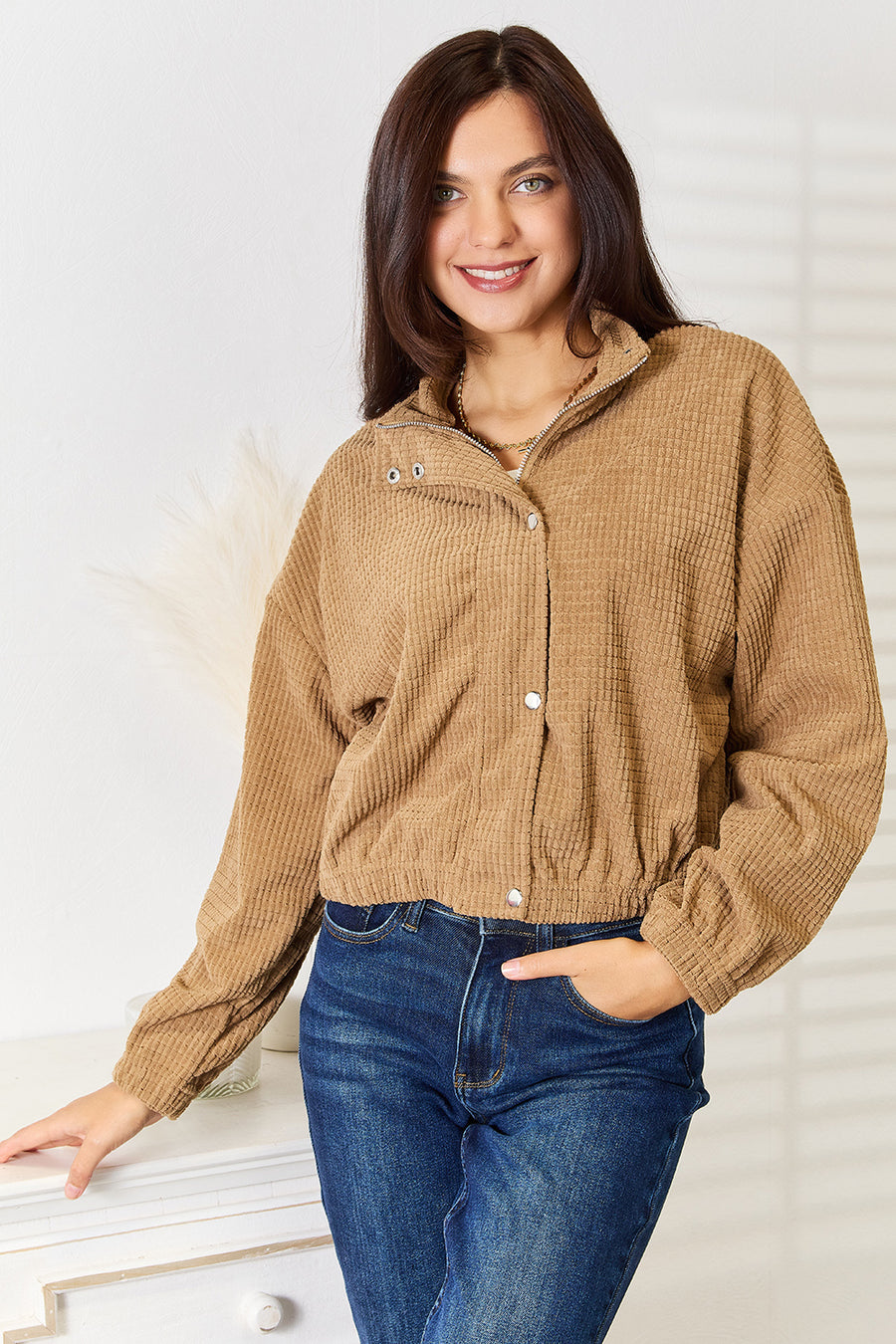
A long jacket changes the sentence a pair of trousers makes. A short sleeve leaves an interval around the wrist. A shirt tucked into a waistband introduces a dividing line that disappears when the same shirt is left loose. Proportion is made of these relationships, and the easiest way to understand it is to change one of them while keeping the rest of an outfit familiar.
The aim need not be to arrive at a universally flattering ratio. People enjoy different silhouettes for different reasons: the clarity of a narrow column, the ease of a generous sleeve, the graphic shape of wide trousers. Begin with the effect you want to explore. Your body does not need to be translated into a problem before you can enjoy the shape of clothes.
Choose one line to follow
Put on a combination you already trust. Look for its most visible horizontal lines: neckline, sleeve ends, shirt hem, waistband, trouser hem. Then choose one to move. Fold the shirt hem inward, tuck the front, or try a shorter layer. Notice where the eye pauses and whether the outfit feels calmer, more energetic, or simply different.
The same experiment works with sleeves. A cuff turned once can create a deliberate gap between hand and garment, while a longer sleeve can extend the volume of a relaxed jacket. Neither choice is automatically correct. Check the practical consequence as well as the appearance. A cuff should stay where you put it and should not restrict your movement.
Pair volume deliberately
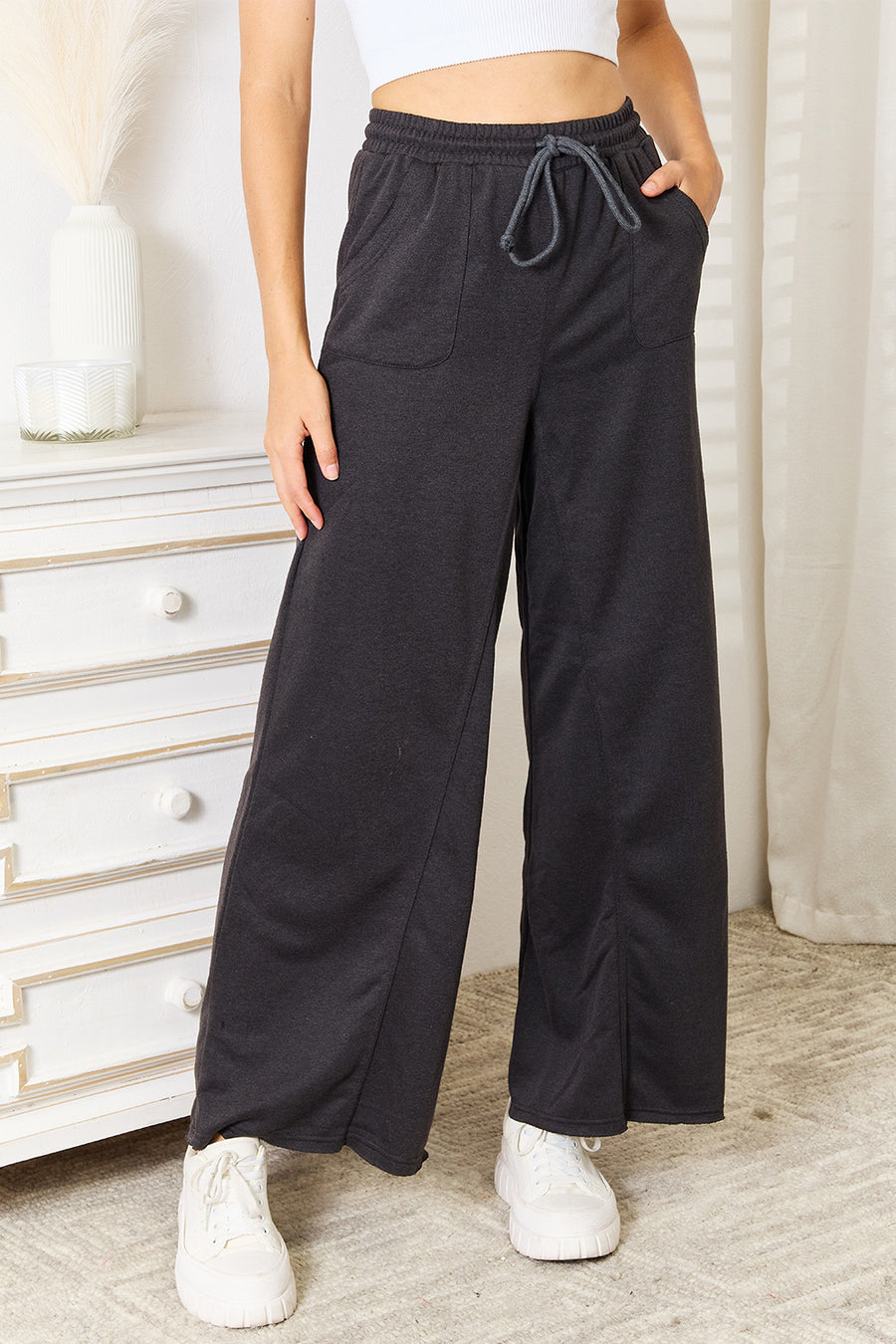
A roomy top and wide trousers can make a strong, continuous silhouette. To give it definition, you might reveal a neckline, expose a waistband, or choose a fabric that falls differently from the layer beside it. These are points of information within a larger shape. They give the eye something to read without requiring every garment to be close fitting.
If a combination feels busier than you intended, simplify one relationship. Keep the top and change the trousers to a straighter leg. Keep the trousers and try a top with a clearer hem. Make one change at a time so that you can tell which adjustment helped. An outfit becomes harder to understand when you replace every part at once.

Consider the side view
Mirrors encourage a frontal reading of clothes, while other people see us from every direction. Turn sideways and look at how the layers fall. Does a shirt gather beneath a jacket? Does the back hem catch on a waistband? Is there enough space through the seat and sleeve for the clothes to return to position after movement?
A photograph taken from a normal standing distance can reveal relationships that are difficult to notice up close. Avoid treating the image as a verdict on your body. Use it to examine the garments: their lengths, spacing, and balance. The same outfit can look very different when the camera is unusually high, low, or close.
Bring the shoes into the picture
Trouser length is a relationship with footwear and the ground. Try the actual shoes you intend to wear before deciding whether a hem works. Walk, turn, and check that the fabric does not catch beneath the sole. A silhouette that looks elegant in a still image is less useful if you have to manage it with every step.
Visual weight matters, too. A substantial shoe can anchor a generous trouser; a lighter shape can leave more attention on the fabric above it. Try both with the same clothes. You may find that the shoe you initially thought too practical provides exactly the contrast the outfit needs.
Make a small reference library
Keep photographs of two or three versions of the same outfit. Label them with observations rather than judgments: longer jacket, open neckline, folded sleeve. This makes it easier to repeat a useful decision later. Over time, you will recognize the relationships you return to and the ones that only work in a photograph.
When shopping, compare listed garment measurements with a piece whose proportions you understand. Shoulder placement, body length, sleeve length, and rise can matter as much as the letter on a size label. Check whether a table describes the garment itself or the body it is intended to fit before using those numbers.
Proportion becomes less abstract through repetition. The more you notice where clothes begin, end, and overlap, the more confidently you can change the rhythm of an outfit. Start with one line. Let the rest of the wardrobe stay familiar long enough to see what that line can do.
Explore the wardrobe
Pieces to explore alongside the story. Stock editorials are separate styling references.
Media credits
Photograph: Leeloo The First / Pexels. Editorial styling reference; garments and fabric pictured are not store products.
Source: https://www.pexels.com/photo/a-beautiful-woman-in-black-blazer-and-pants-standing-on-the-street-5900416/
Photograph: Leeloo The First / Pexels. Editorial styling reference; garments and fabric pictured are not store products.
Source: https://www.pexels.com/photo/a-woman-in-black-pants-walking-on-the-street-5900417/
Stock license: https://www.pexels.com/license/