After hours, without starting over
A change of setting. A few considered adjustments. The same familiar clothes.

The change from day to evening is sometimes a change of setting rather than a change of clothes. A workday ends, the light shifts, and an outfit that has already accompanied you for hours has to make sense somewhere new. The useful question is which small adjustments can give it a different emphasis while preserving the comfort that made it work in the first place.
Start by looking at the actual evening. Dinner with friends, a performance, a relaxed gathering, and a formal invitation ask for different things. Check any stated dress expectation. There is little benefit in pursuing a generic idea of eveningwear when a familiar outfit could be edited to suit the place you are going.
Keep a reliable foundation
A dress, a trouser-and-top combination, or a matching set can provide a starting point if it already fits the day. Choose the foundation for comfort, movement, and the setting rather than for its ability to transform dramatically. An outfit does not need to conceal its daytime life to feel appropriate later.
If you know you will be away from home, try both versions before leaving. Make sure any replacement shoes work with the hem and that the layer you plan to remove is not essential to the fit or coverage of the outfit beneath it. These small checks prevent the evening version from existing only as an idea.
Change the frame
An outer layer can alter the character of familiar clothes. A shirt left open over a simple top creates one kind of ease; a jacket creates another kind of structure. Removing a layer can reveal a neckline or a sleeve that has been hidden all day. Consider how the clothes look both with and without that frame.
Temperature still matters after sunset. If a lighter outfit needs a practical layer for travel, make that layer part of the composition. It is often easier to enjoy the evening when the coat, bag, and shoes belong to the plan rather than feeling like logistical interruptions to it.

Move one point of attention
Choose one area to emphasize. That might be the neckline, the sleeve, or the relationship between a trouser and a shoe. A different fastening or a deliberate cuff can redirect attention without introducing another item. You may find that the change you need is simply to let a garment fall differently.
Accessories can serve the same purpose. Try one change and look at the whole outfit again. An addition that is attractive by itself may compete with the part of the clothes you wanted to highlight. Editing is most useful when it helps you understand which detail gives the outfit its new character.
Make the season practical
A season is most useful as a set of questions about the day ahead. Check the local forecast, the time you expect to travel home, and whether you will be sitting outside or moving between heated rooms. A heavier outer layer may belong to the journey even when the clothes beneath it stay light. Try that complete combination rather than treating the coat as something the evening photograph can leave out.
When temperatures are uncertain, choose an adjustment you can actually carry and use. An open layer can become a closed one; a removable piece can change the amount of coverage. Test its sleeve room and decide where it will go when removed. Seasonal dressing becomes more convincing when the practical layer has a deliberate place in the outfit.
Let footwear set the pace
The evening version does not have to involve a higher heel. A different shoe shape, a cleaner line, or a more deliberate contrast may be enough. Consider the distance you will walk and the amount of standing the evening involves. Comfort becomes more relevant as the hours accumulate.
Check the trouser or dress hem with the actual shoes. A change in sole height can make a previously manageable length drag or catch. Walk and turn before leaving, especially if the outfit includes a generous leg or a long skirt. A convincing silhouette should remain convincing in motion.
Pack for the change you will make
If you need to carry an extra piece, keep the plan simple enough to execute. A small accessory or a light layer is easier to manage than an entire second outfit. Think about where the removed item will go and whether the bag you are taking can accommodate it without becoming uncomfortable.
Pay attention to the condition of the clothes after a normal day. Some pieces remain easy to wear; others need care or adjustment. Make observations from your own wardrobe rather than relying on a fabric name to predict the outcome. The combination that works for you will become clearer with repetition.
The most successful day-to-evening outfit often feels like the same person in a different mood. It retains the decisions that made the day comfortable and changes a few that give the evening its own focus. Keep that change modest enough to enjoy. The point is to arrive ready for the next part of the day, with your attention available for something beyond your clothes.
Explore the wardrobe
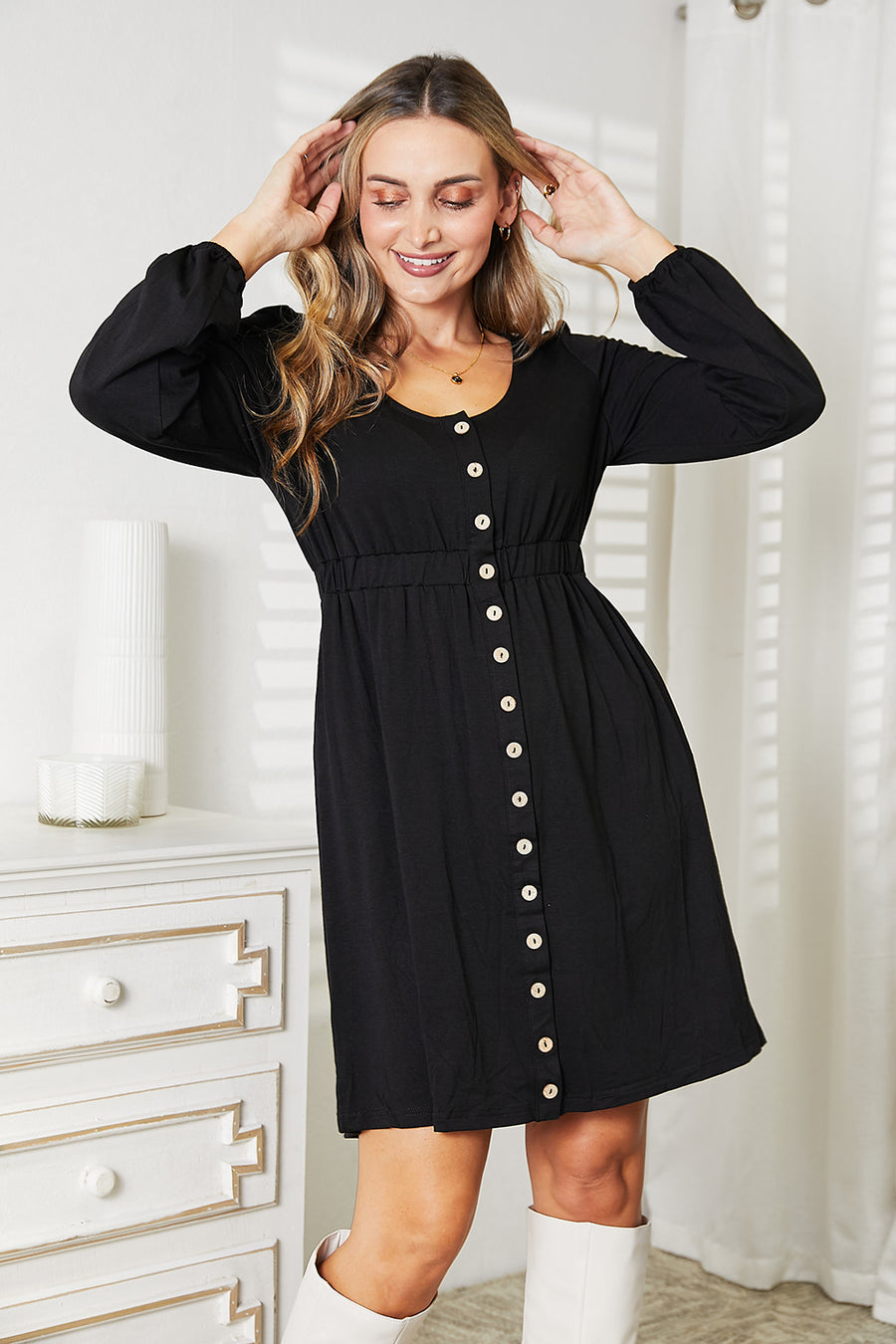
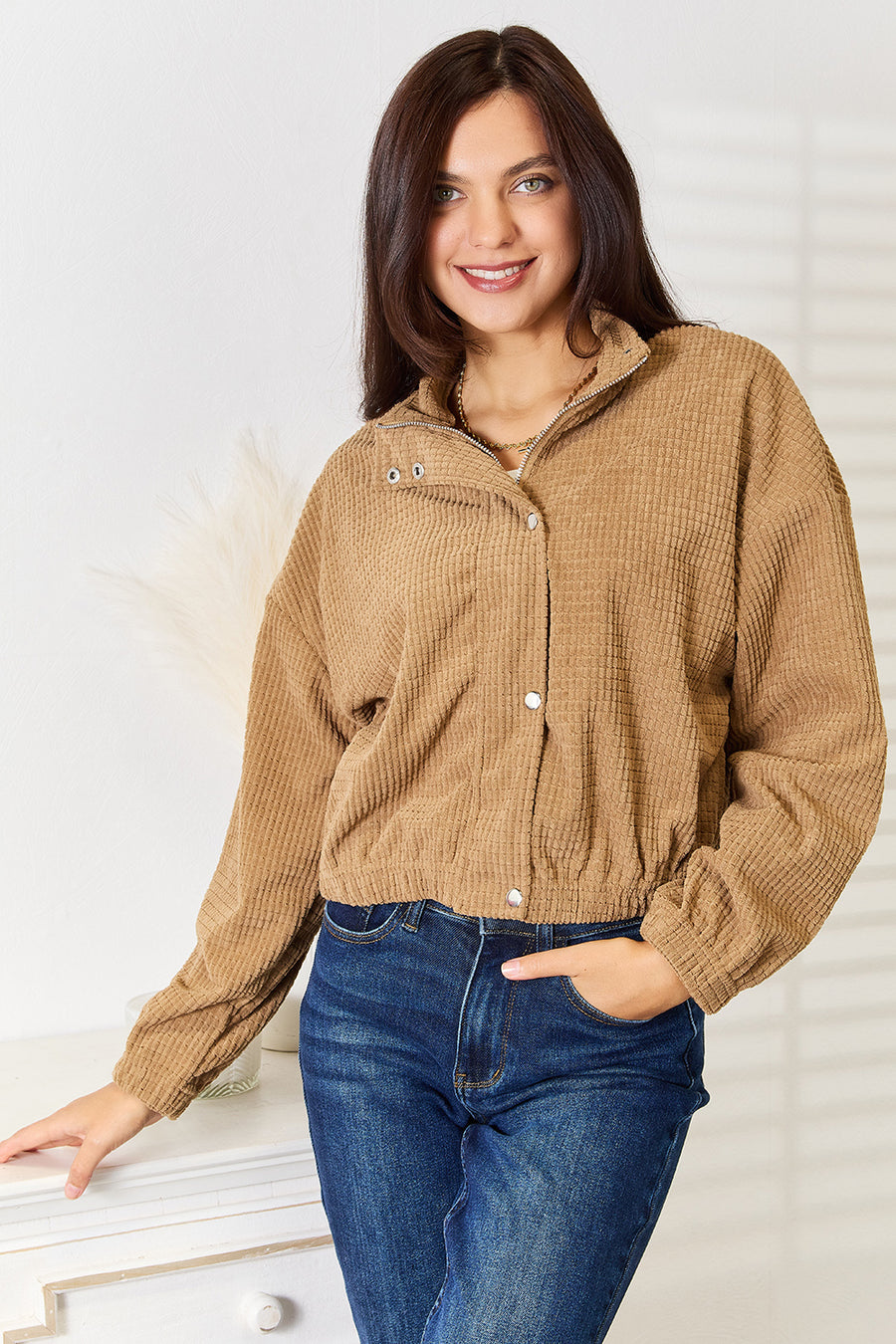
Pieces to explore alongside the story. Stock editorials are separate styling references.
Media credits
Film still: Gaidar Iskakov / Pexels. Editorial atmosphere; pictured garments are not store products.
Source: https://www.pexels.com/video/fashionable-woman-walking-in-urban-summer-setting-30706004/
Photograph: Leeloo The First / Pexels. Editorial styling reference; garments and fabric pictured are not store products.
Source: https://www.pexels.com/photo/a-woman-in-black-pants-walking-on-the-street-5900417/
Stock license: https://www.pexels.com/license/