The rhythm of a city
Lines, intervals, and the conversation between a silhouette and its setting.

Look at a street as a series of intervals. A doorway interrupts a wall. A window repeats at a different height. Light and shadow divide the pavement into temporary shapes. A person walking through the scene adds another rhythm, one that never quite aligns with the fixed pattern of the architecture. Clothing becomes visible within that conversation.
The street-style photographs in this issue use pale stone, dark clothes, and a white shirt to create clear points of contrast. They are licensed editorial references. Their interest lies partly in how the setting makes an ordinary combination legible, rather than in a claim that the garments themselves are available from the store.
Follow one repeated shape
Choose a photograph and notice the strongest repeated line. It might be the vertical of a column, the edge of a window, or a row of arches. Then look at how the subject's silhouette sits beside it. A sleeve or trouser leg may echo the line, while a bent arm or a loose layer interrupts it.
You do not need to translate the image into an outfit immediately. Let it remain a way of seeing. The exercise can make you more attentive to the relationships already present in the clothes you own: a long layer beside a straight leg, a rounded sleeve above a clearer waist, a pale area enclosed by dark fabric.
Let contrast locate the person
In some frames, the clothes stand out sharply from the surroundings. In others, a dark layer meets a dark doorway and the white shirt becomes the point that locates the wearer. Notice which detail your eye finds first. The same outfit can offer a different point of entry depending on the background.
This is useful when considering color in everyday life. An outfit does not have to contain several strong accents to be interesting. One visible contrast may be enough, while the place supplies the rest. A familiar pale neckline beneath a darker layer can remain a compelling decision without needing constant reinvention.

Look at the space around the outfit
The area around a subject changes the feeling of the image. A wide frame gives the street a larger role; a closer one brings attention back to the clothes and expression. Neither distance contains the complete story. Each makes a selection about what deserves attention.
When you photograph an outfit for your own reference, try a normal standing distance and leave enough room to see the full silhouette. A close mirror image can make individual details feel disproportionately important. A wider view may reveal that the overall combination is already working, even if one small area looks less controlled up close.
Bring the observation home
Choose one relationship from the photographs and try it with familiar clothes. You might explore the white area of a shirt inside a dark jacket, or the continuity between a dark trouser and shoe. Keep the rest of the outfit straightforward so that you can see the effect of that single idea.
Then wear it at an ordinary pace. The setting of a photograph cannot establish comfort, and a pose cannot tell you whether the sleeve or waistband suits your day. Let the visual reference suggest a possibility and your experience decide whether it belongs in the wardrobe.
Give the street its own life
Real places are not neutral backdrops. Their weather, crowds, surfaces, and practical demands affect the clothes that make sense within them. A long hem that looks graceful on an empty pavement may require a different decision for a wet commute. Looking carefully should make those realities easier to include, rather than encourage you to edit them away.
The appeal of a city image is often the coexistence of structure and chance. Buildings provide a pattern; movement unsettles it. A wardrobe can work in the same way, with familiar combinations offering a framework and small daily changes keeping it alive.
Take the observation rather than the whole scene. Notice a line, a contrast, or an interval and let it enter your own setting at a scale that feels natural. The street can teach you to look more closely without asking your life to resemble a fashion photograph.
A moving image
Photograph: Leeloo The First / Pexels. Editorial styling reference; garments and fabric pictured are not store products.
Source: https://www.pexels.com/photo/a-woman-in-black-blazer-standing-on-the-street-5900407/
Film still: amin naderloei / Pexels. Editorial atmosphere; pictured garments are not store products.
Source: https://www.pexels.com/video/woman-walking-on-a-calm-urban-street-34994965/
Stock license: https://www.pexels.com/license/
Explore the wardrobe
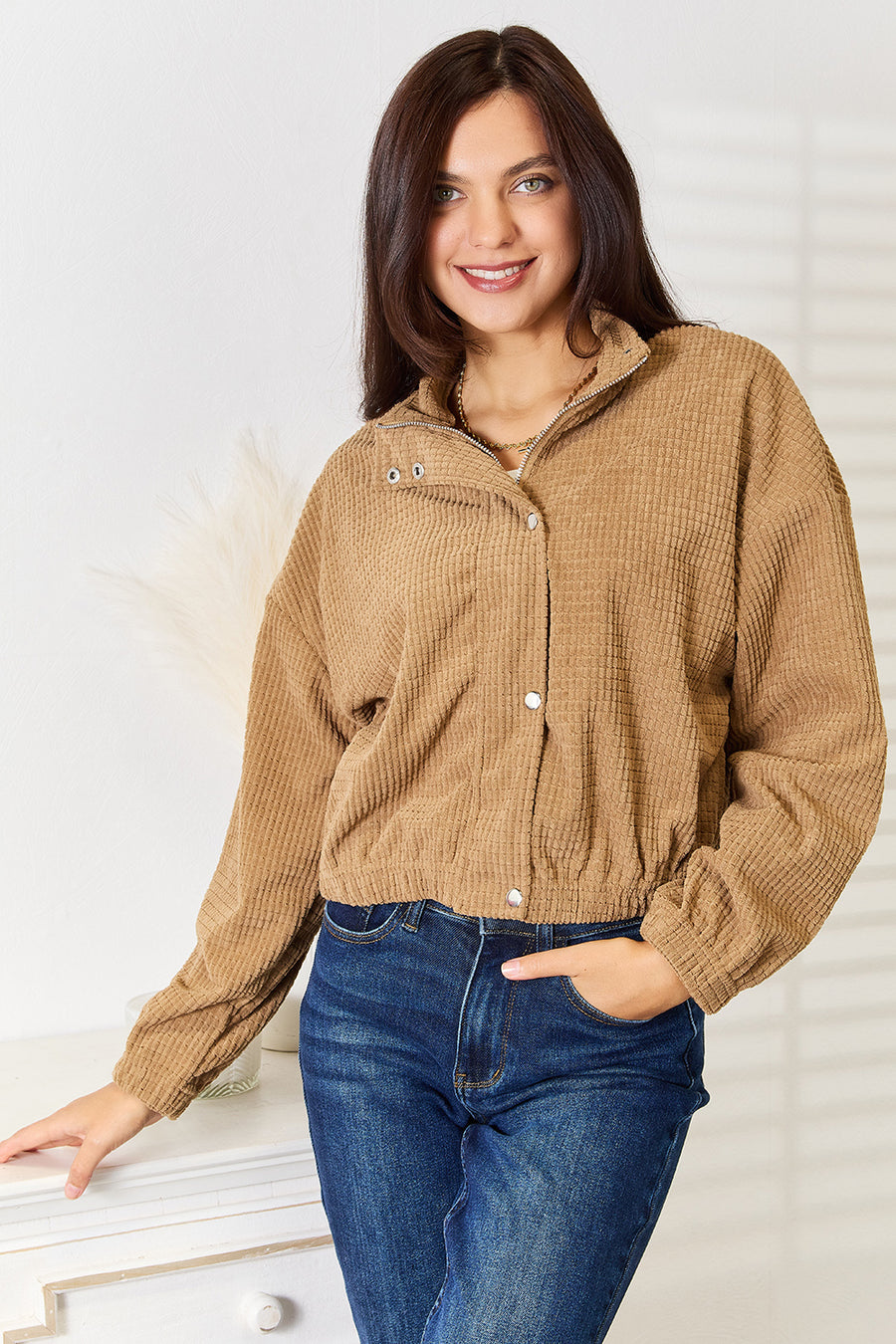
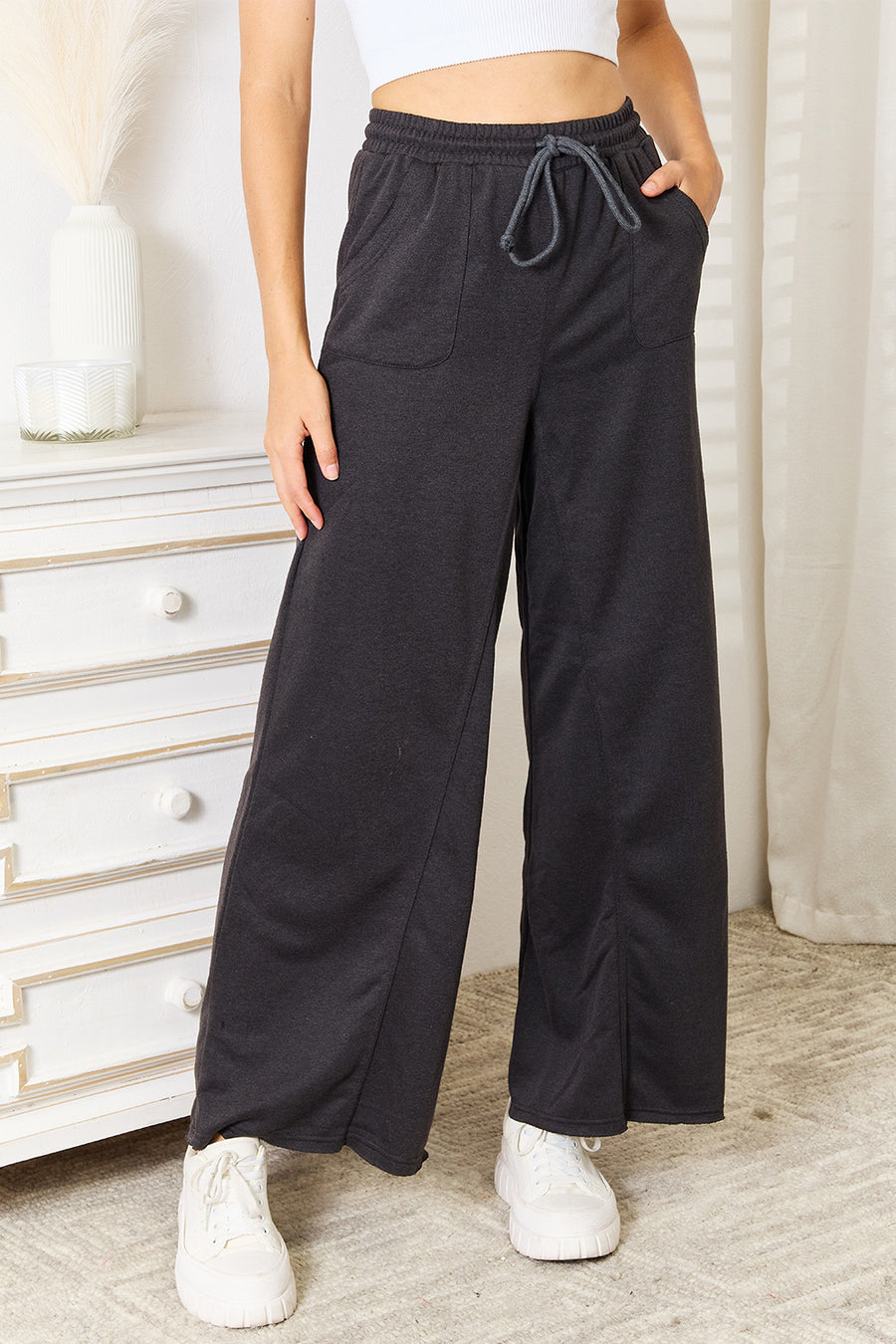
Pieces to explore alongside the story. Stock editorials are separate styling references.
Media credits
Photograph: Leeloo The First / Pexels. Editorial styling reference; garments and fabric pictured are not store products.
Source: https://www.pexels.com/photo/a-woman-in-black-blazer-standing-on-the-street-5900407/
Film still: amin naderloei / Pexels. Editorial atmosphere; pictured garments are not store products.
Source: https://www.pexels.com/video/woman-walking-on-a-calm-urban-street-34994965/
Stock license: https://www.pexels.com/license/