Clothes, in motion
Three short films, and a longer look at how clothing inhabits a moving life.

A coat seen from behind tells a different story from a coat arranged for the camera. Its hem moves out of step with the person wearing it. The shoulder follows a turn. A hand reaches for a bag, and the line of the sleeve changes. These small disturbances are where clothing begins to feel alive. A photograph can hold a shape beautifully; movement reveals how provisional that shape has always been.
The three short stock films gathered for this issue offer ways of looking rather than complete outfits to buy. They show people moving through different urban settings, with different distances between camera and subject. Their garments are editorial references, not store products. We are interested in the visual relationships the clips make available: a pale silhouette against a darker street, fabric responding to a stride, a person becoming small within the architecture around them.
A body changes the image
Clothes are often discussed as objects, yet the image of a garment is inseparable from the person wearing it. A step opens one side of a coat and closes the other. An arm interrupts a clean outline. Fabric gathers and releases. The finished composition becomes a sequence of temporary ones, each dependent on the next ordinary action.
This is a useful reminder when looking at fashion imagery. A still frame is a selected moment, and a styled pose may be difficult or unnecessary to sustain. Enjoy its particular arrangement without expecting everyday clothing to remain frozen in the same position. The experience of wearing includes changes the photograph has deliberately set aside.
When you try an outfit, give it a little time in motion. Walk across the room, turn, sit, and stand. Notice whether the clothes return to a comfortable position or need constant intervention. These observations do not have to become a technical assessment. They can simply tell you whether you feel able to forget about the outfit long enough to enjoy the day.
The street supplies a scale
Architecture creates a measure around a person. A tall wall, a row of windows, or the line of a pavement can make a silhouette read differently from the same clothes against a plain studio background. A generous coat may appear graphic within a broad street and more intimate in a close portrait. The garment has not changed, but the frame has.
Look at the distance between the subject and the surroundings in the films. Sometimes the eye follows a person through the scene; sometimes it notices the scene before finding the person. Both ways of looking have value. They remind us that an outfit is encountered in places, rather than on an isolated plane of perfect visibility.
This can make everyday dressing feel less demanding. Your clothes do not have to carry every possible meaning by themselves. The place, the light, your movement, and the people around you all contribute to the impression. A simple combination can become visually rich because life supplies more information than a wardrobe ever could.

A longer line takes its time
Longer garments make movement visible over a larger area. A hem may trail slightly behind a step, then settle as the wearer pauses. An open layer can reveal and conceal the clothes beneath it. Watching that sequence makes length feel like a matter of time as well as measurement.
The effect can be appealing, but the practical relationship still deserves attention. A long trouser needs to work with the shoes and ground. An outer layer should leave room for the movement you expect. A beautiful sweep of fabric in a clip does not establish that the same shape would be convenient for every journey or climate.
Try the idea with something familiar before making a new purchase. Observe the way a cardigan or jacket moves when you turn. Change the layer beneath and notice whether it catches or falls freely. The small rehearsal can reveal which version of a longer line you enjoy, and which one asks for more management than you want to give it.
Movement reveals how provisional that shape has always been.
Light edits the surface
In a moving image, a surface can become visible and then disappear as the angle changes. A fold catches light, a dark layer becomes a silhouette, a pale sleeve separates from the background for a moment. These shifts give clothing depth without the addition of another detail or another color.
Watch a short section more than once. On the first viewing, follow the person. On the second, look at the edges of the clothes. On the third, look at the space around them. The clip stays the same, while your attention changes its emphasis. This is one reason a modest piece of footage can reward more looking than its duration initially suggests.
Keep the limits of the image clear. Light and motion can make a fabric visually compelling without providing evidence of its composition, feel, or durability. The editorial pleasure lies in observation. Product decisions still need the information attached to the actual garment you are considering.


Style can accommodate a real pace
There is a difference between an outfit that looks composed for a brief pause and one that feels composed at the pace you live. Some days involve a long walk, repeated stairs, or carrying more than you would like. Those circumstances belong in the styling decision. They do not need to be edited out of a personal idea of fashion.
Footwear is part of this. The shoe that allows you to move comfortably may alter the outfit's visual weight in a useful way. A practical sole can give a soft garment a point of contrast. A familiar shape can make an expressive piece feel easier to wear. Test the complete combination rather than imagining the shoes as a separate final step.
The same principle applies to bags and outer layers. A bag changes the position of an arm and can interrupt the fall of a jacket. A coat may spend part of the day carried rather than worn. Plan for those states and the outfit becomes more coherent with the day, even if it looks less controlled than an image assembled for a single moment.
Let the frame remain open
A fashion image can invite possibility without requiring imitation. You might take from a film the contrast between a pale layer and a dark street, or the way a generous silhouette moves around a simple inner shape. Those observations can enter your wardrobe in a smaller, more practical form. The reference has done its work when it gives you something useful to notice.
This also leaves room for a personal response. You may enjoy a sweeping coat on screen and prefer a shorter layer in daily life. You may admire an outfit's stillness while choosing clothes that feel more relaxed on your own body. Looking closely does not create an obligation to reproduce the image.
Return to the ordinary movements that interest you. A sleeve pushed back before opening a door, a jacket fastened as the temperature changes, the visible interval between trouser and shoe: these details make a wardrobe feel inhabited. They are available without an elaborate setting or a new collection of clothes.
Before treating a visual reference as a shopping brief, name the relationship you want to explore. It may be the scale of an outer layer against the street, the interval of light at a cuff, or the movement of a hem. Naming that observation keeps the next decision precise. You can look for the same relationship among clothes already in your wardrobe, then decide whether anything is missing. The image becomes a source of attention rather than an instruction to replace what you have.
Watch with a little patience
The films in this issue are deliberately short. Their role is to open a visual conversation beside the longer stories, not to imply a campaign production or a documentary we did not make. Creator and license credits accompany the footage, and the original framing is preserved where a portrait view gives the scene its shape.
Use the player controls to pause, replay, or look at a particular interval. There is no required pace. The slower observation can be useful precisely because the rest of a shopping experience often asks for a quick conclusion. Here, an image can remain something to consider before it becomes anything to act on.
Clothes become expressive through a combination of intention and ordinary life. We choose them, arrange them, and make adjustments; then movement gives the arrangement its next form. A wardrobe can be thoughtfully composed and still leave room for that unpredictability. Its most interesting image may be the one that arrives as you are already on your way somewhere else.
A moving image
Film still: Karl Solano / Pexels. Editorial atmosphere; pictured garments are not store products.
Source: https://www.pexels.com/video/camera-following-woman-walking-in-city-11014545/
Film still: amin naderloei / Pexels. Editorial atmosphere; pictured garments are not store products.
Source: https://www.pexels.com/video/woman-walking-on-a-calm-urban-street-34994965/
Stock license: https://www.pexels.com/license/
Additional film stills: Gaidar Iskakov, amin naderloei, Karl Solano / Pexels. Sources and licenses: https://takeflightmerch.com/pages/media-credits
Explore the wardrobe
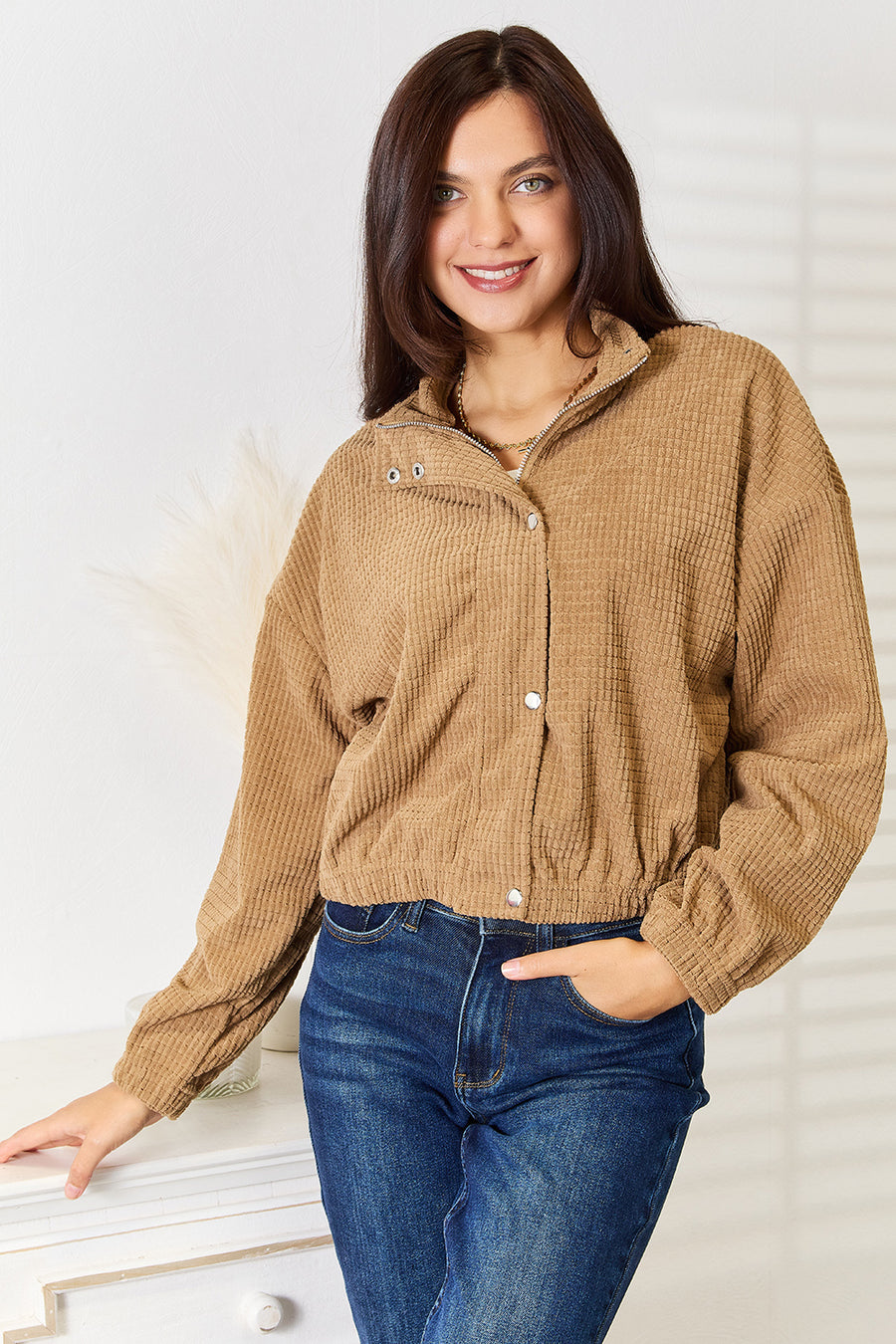
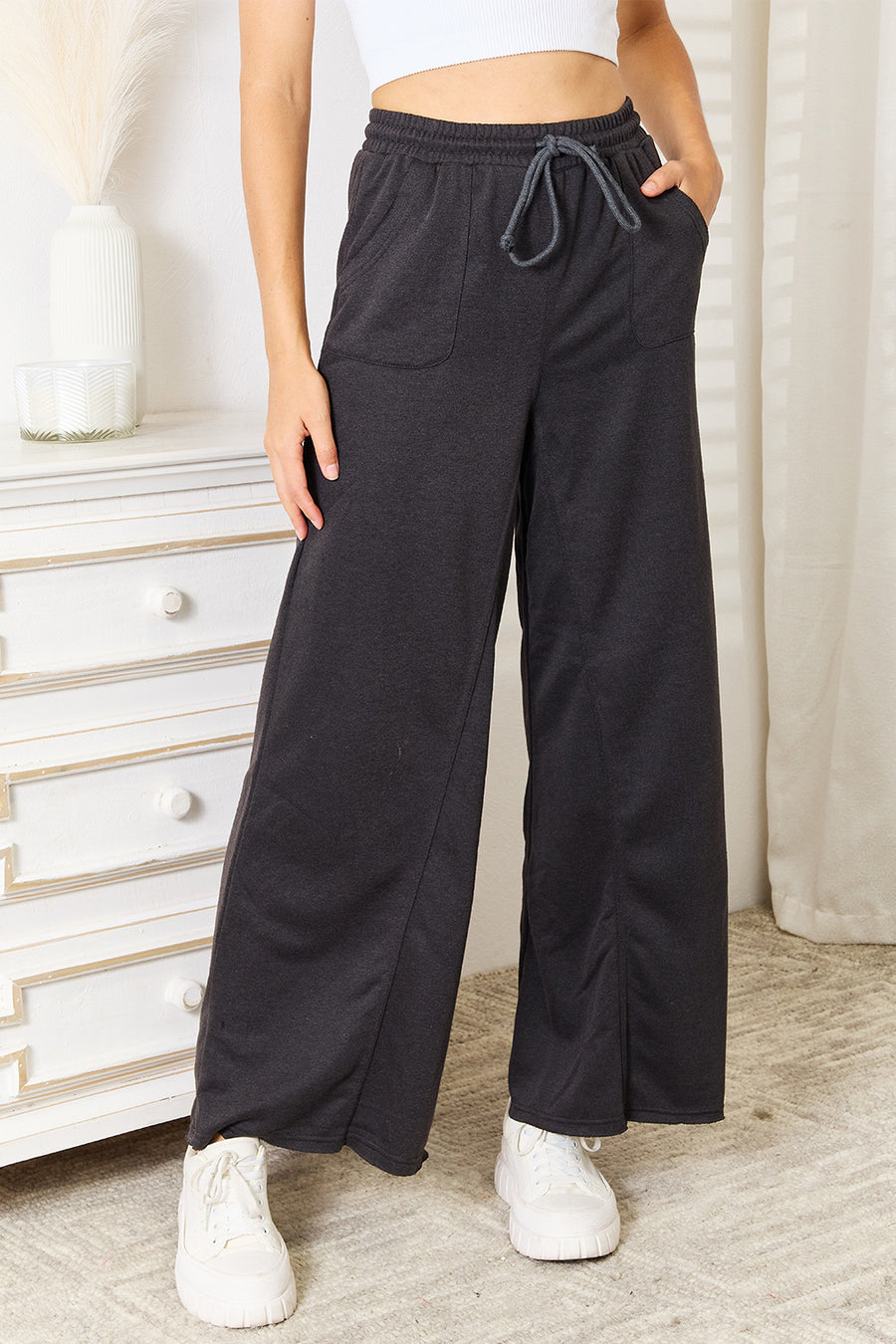
Pieces to explore alongside the story. Stock editorials are separate styling references.
Media credits
Film still: Karl Solano / Pexels. Editorial atmosphere; pictured garments are not store products.
Source: https://www.pexels.com/video/camera-following-woman-walking-in-city-11014545/
Film still: amin naderloei / Pexels. Editorial atmosphere; pictured garments are not store products.
Source: https://www.pexels.com/video/woman-walking-on-a-calm-urban-street-34994965/
Stock license: https://www.pexels.com/license/
Additional film stills: Gaidar Iskakov, amin naderloei, Karl Solano / Pexels. Sources and licenses: https://takeflightmerch.com/pages/media-credits