Space to see
Looking closely before deciding what an image asks you to buy.

An image can become more interesting when you stop asking it for an immediate conclusion. Before deciding whether you want the outfit, look at the distance between a sleeve and a wall, the pale shape of a shirt inside a dark jacket, or the way a person sits within a much larger street. Fashion imagery offers these smaller observations alongside its more obvious invitation to desire.
The photographs in this issue are licensed visual references. They are not evidence that the pictured people wear Take Flight products or endorse the store. Keeping that boundary clear leaves the images available for a different kind of use: looking, noticing, and taking an idea into your own wardrobe at an appropriate scale.
Begin without a shopping question
Choose one frame and give it a little time before deciding what you like. Follow a line through the composition. Notice where it is repeated and where it is interrupted. A trouser leg may echo a column, while a bent arm creates an entirely different direction. These relationships can be interesting without becoming a list of items to acquire.
Then look at color. Identify the largest area, the strongest contrast, and the smallest detail that still draws your attention. Ask how much of the image's character comes from the clothes and how much comes from the setting. The answer may make the outfit feel more understandable and less mysterious.
Take one observation
Select a single idea you can try with familiar clothes. It might be a pale inner layer inside a dark outline, or a longer garment beside a clearer trouser shape. Keep the experiment small enough that you can see its effect. The reference does not need to arrive in your wardrobe as an exact reconstruction.
This approach can be especially useful with an image whose clothes are far from your own needs. You may enjoy a dramatic silhouette on screen while preferring something more practical in daily life. A point of contrast or a proportion can still be worth exploring. Appreciation does not require the whole scene to be reproducible.

Look again after movement
Once you try the idea, walk, sit, and turn. Let the clothes settle without arranging them for the mirror. Notice whether the relationship you liked remains visible and whether the combination stays comfortable. A wearable version may be less controlled than the reference and more useful to you because of it.
Take a simple photograph if it helps you see the whole. Use an ordinary distance and avoid making one small area fill the frame. Compare the result with your experience of wearing it. The image can provide information, while comfort and practicality come from being in the clothes.
Leave room for a different response
You may decide that an experiment is interesting to look at and unsuitable for your day. That is still a useful result. It tells you something about the distance between visual preference and practical preference. The next attempt can keep the part you enjoyed and change the part that made the outfit difficult.
Avoid turning every discovery into a fixed style rule. A combination that works in one season, setting, or mood may be less appealing later. Keep your observations available without making them obligations. Personal style can have continuity and still remain responsive to ordinary changes in life.
Return attention to the clothes you have
Looking closely can make familiar pieces more visible. A sleeve detail you had stopped noticing or a useful relationship between two colors can become a reason to wear something again. That is a valuable outcome for a fashion image, even when no purchase follows it.
If a new item eventually enters the conversation, let the observation make the choice more precise. Check the actual measurements, composition, care, and product views. Identify the role it would play among existing clothes. The image can begin the thought, while the documented garment details and your own needs complete the decision.
Space to see is a small luxury of attention. It allows an outfit to be considered as a composition, a possibility, and an experience before it becomes a transaction. Take the idea that stays with you, leave the rest of the frame intact, and let your wardrobe answer in its own language.
Explore the wardrobe
Pieces to explore alongside the story. Stock editorials are separate styling references.
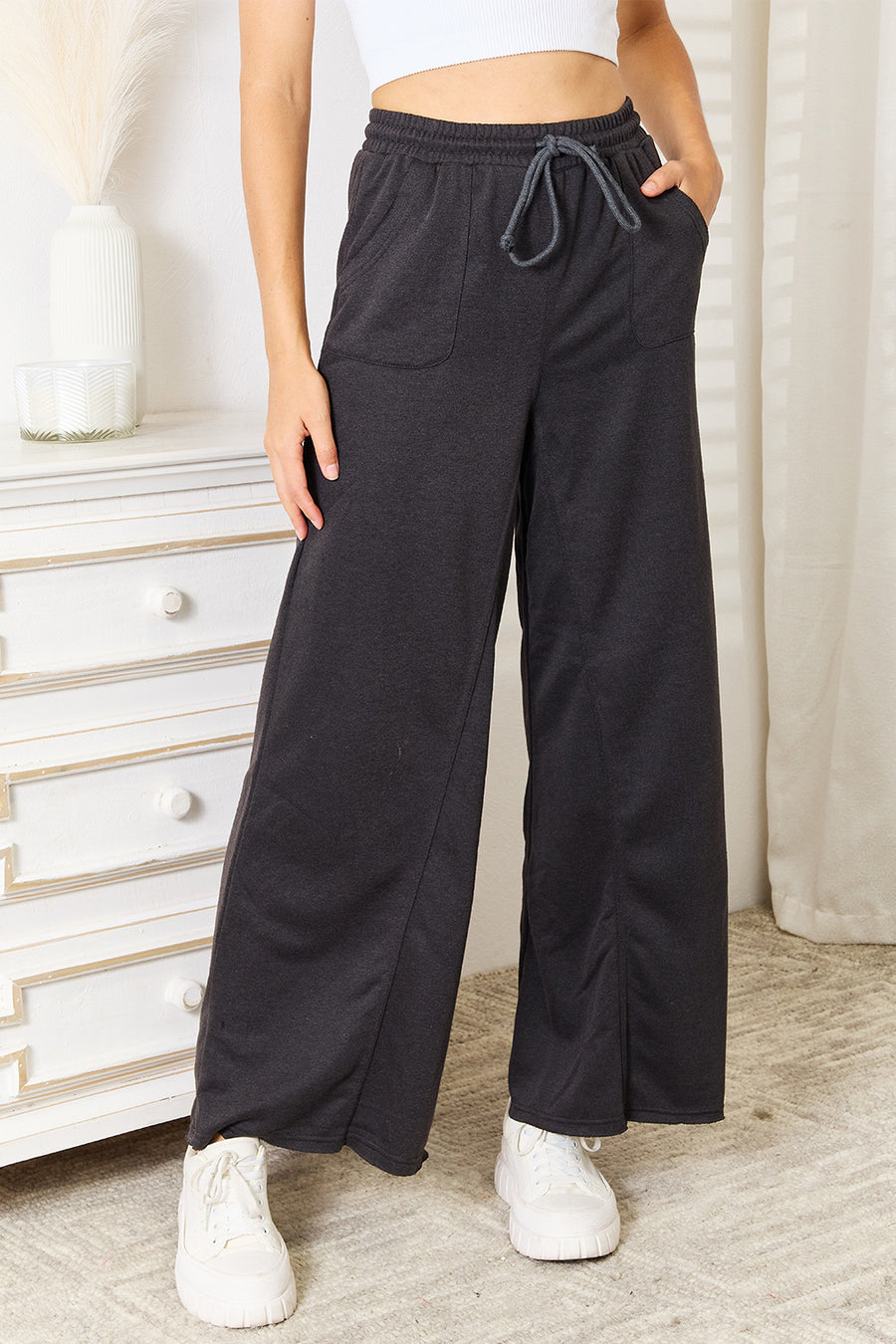
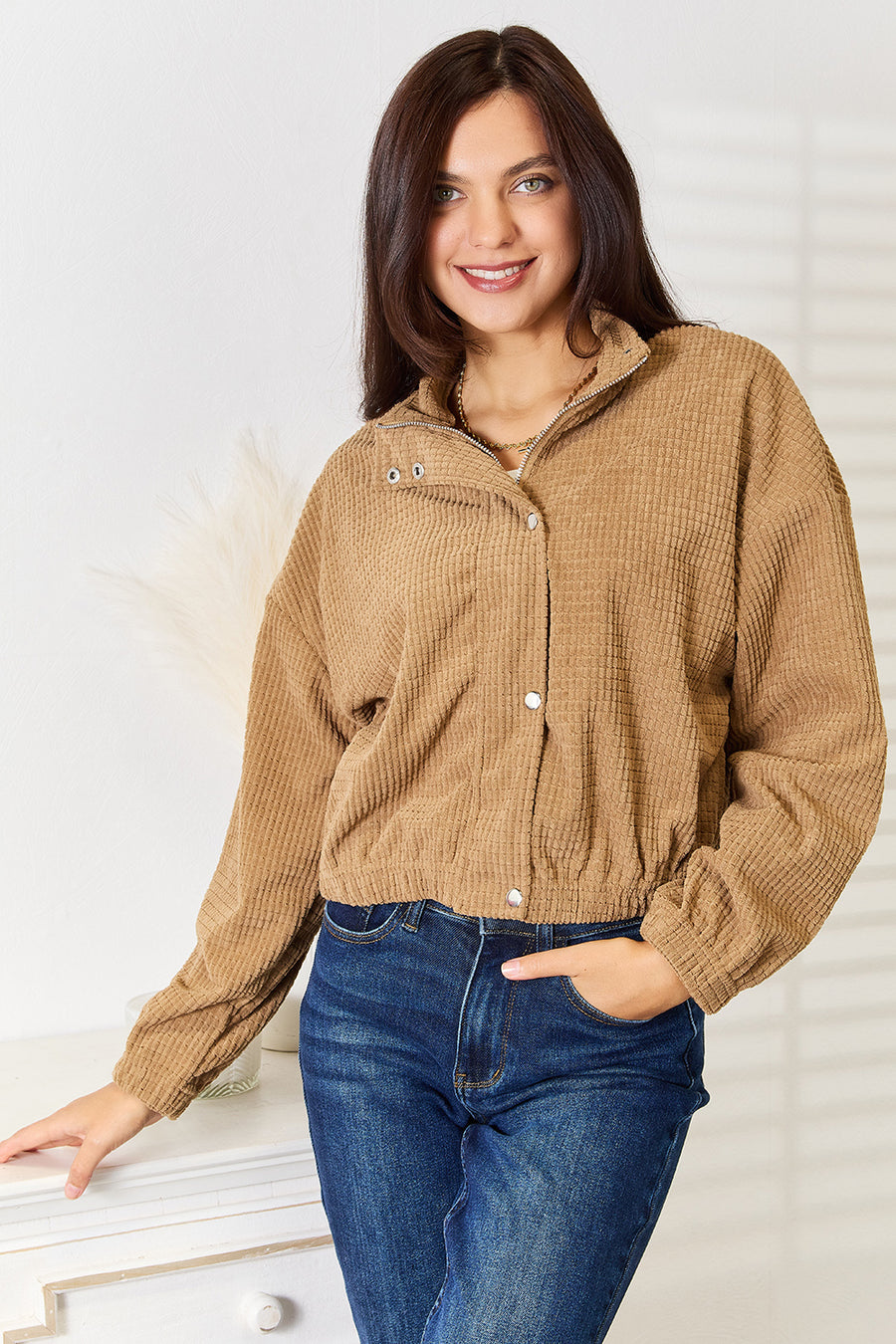
Media credits
Photograph: Leeloo The First / Pexels. Editorial styling reference; garments and fabric pictured are not store products.
Source: https://www.pexels.com/photo/a-woman-in-black-pants-walking-on-the-street-5900417/
Film still: amin naderloei / Pexels. Editorial atmosphere; pictured garments are not store products.
Source: https://www.pexels.com/video/woman-walking-on-a-calm-urban-street-34994965/
Stock license: https://www.pexels.com/license/