When the day changes
Familiar clothes through changing light, changing rooms, and an ordinary day.

The same outfit can feel different as a day unfolds. Morning light gives way to a brighter street or a darker room. A coat is removed, a sleeve is adjusted, and a bag that began empty fills with the small practical evidence of being out. Clothing accompanies these changes whether or not the outfit was designed with them in mind.
This visual essay considers transitions at the scale of ordinary life. The stock photographs and films provide atmosphere rather than a documentary account of one person's day. They invite us to look at how familiar clothes might respond to changes of setting, attention, and pace.
Begin with the first departure
The earliest part of a day often has the clearest practical needs. You may be carrying more, moving quickly, or dressing for a temperature that will change later. Choose the pieces that make this departure manageable, then consider how the outfit will work once the outer layer comes off.
Try the combination in both states before treating it as reliable. A shirt that looks good beneath a jacket should also give you the shape and coverage you want without it. If an inner layer needs constant rearranging, the transition may be more demanding than the finished morning image suggests.
Let the middle have its own pace
By the middle of the day, the clothes have been sat in, walked in, and carried through a sequence of places. Notice what remains comfortable and what asks for attention. These observations can tell you more about a useful wardrobe than a photograph taken before you leave home.
Keep the response specific. Perhaps the trouser works well but the inner sleeve bunches beneath the jacket, or the outfit needs a lighter removable layer. Naming the actual interaction makes the next adjustment easier. A vague conclusion that the whole combination failed can conceal a small, solvable issue.

Change an emphasis, gently
If the day moves toward a different setting, try changing one point of attention. Open a layer, adjust a cuff, or choose a different way to carry a bag. A familiar outfit can acquire another character through these modest shifts. The change does not have to resemble a complete transformation to be worth making.
Consider the new place rather than a generalized idea of evening. The practical requirements of a relaxed dinner differ from those of a formal invitation or a long walk home. Check any dress expectation and keep comfort in the conversation. An outfit should support your presence in the setting rather than occupy all of your attention.
Look at what light changes
Different light can emphasize different parts of the same clothes. A pale surface may become more prominent in a darker room, while the outline of a dark layer may blend into its surroundings. These observations can be useful when experimenting with color and contrast in pieces you already own.
They do not establish how a material feels or performs. A film can make a surface look fluid or rich because of angle, movement, and exposure. Keep the visual impression separate from the product facts. Both can matter, provided one is not asked to stand in for the other.
Prepare for the final journey
The last part of the day deserves a place in the outfit plan. A layer needed for the journey home, footwear suitable for the remaining distance, and a manageable bag can make the whole arrangement feel more coherent. Practical pieces are part of the composition even when a fashion image might leave them outside the frame.
If you expect to carry a removed layer for several hours, test that state too. A coat folded over an arm changes how you move and what else you can hold. A lighter piece that fits into a bag may serve your day more comfortably. The best choice depends on the actual conditions you encounter.
At home, record one useful observation while it is still clear. The point is to accumulate knowledge, not to grade the day. A wardrobe becomes easier to use when its combinations have accompanied real situations and returned with information. The next morning can begin with that experience already available, leaving a little more attention for whatever the day becomes.
A moving image
Film still: Gaidar Iskakov / Pexels. Editorial atmosphere; pictured garments are not store products.
Source: https://www.pexels.com/video/fashionable-woman-walking-in-urban-summer-setting-30706004/
Film still: amin naderloei / Pexels. Editorial atmosphere; pictured garments are not store products.
Source: https://www.pexels.com/video/woman-walking-on-a-calm-urban-street-34994965/
Stock license: https://www.pexels.com/license/
Explore the wardrobe
Pieces to explore alongside the story. Stock editorials are separate styling references.
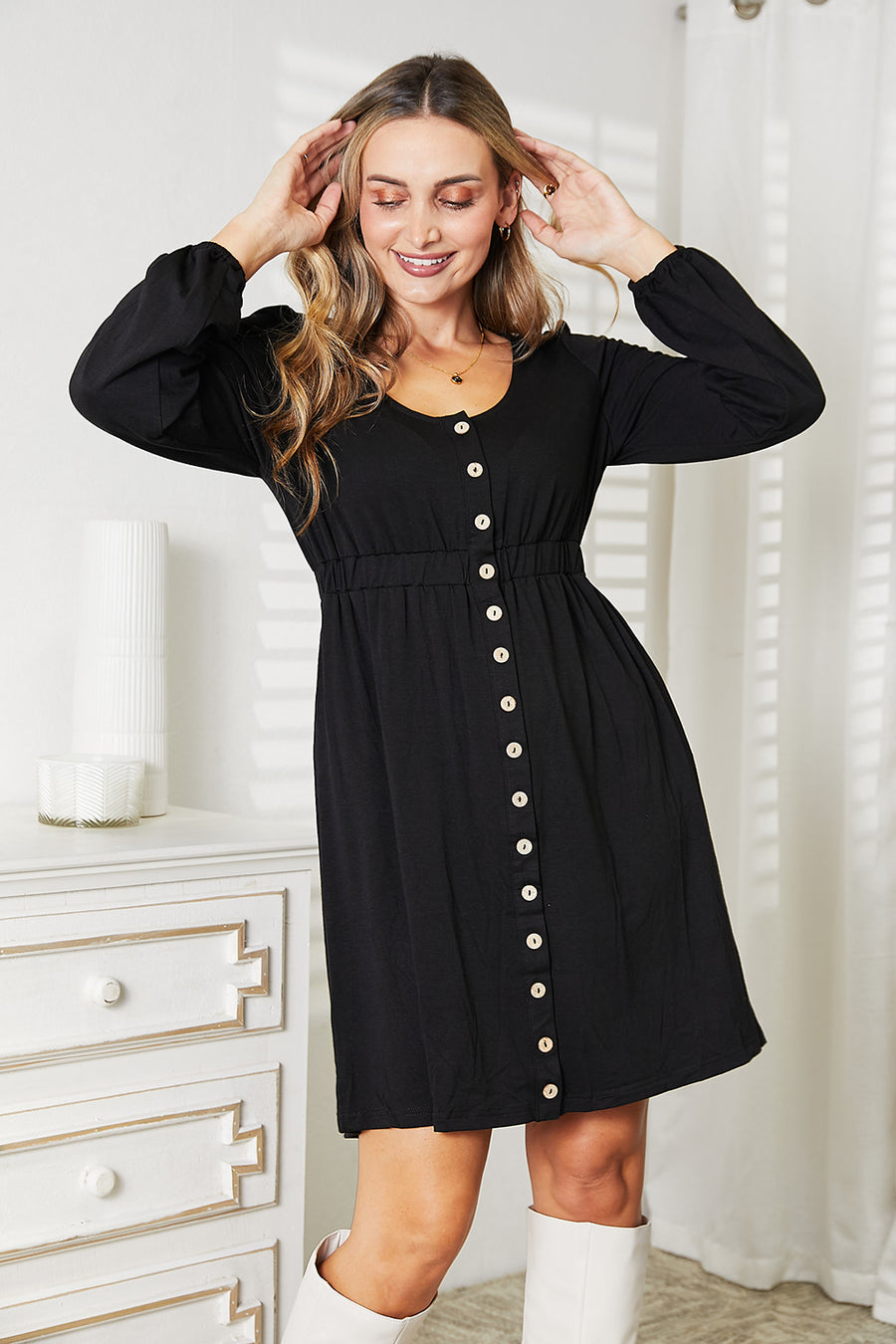
Empire-Waist Pocket Dress
$44.00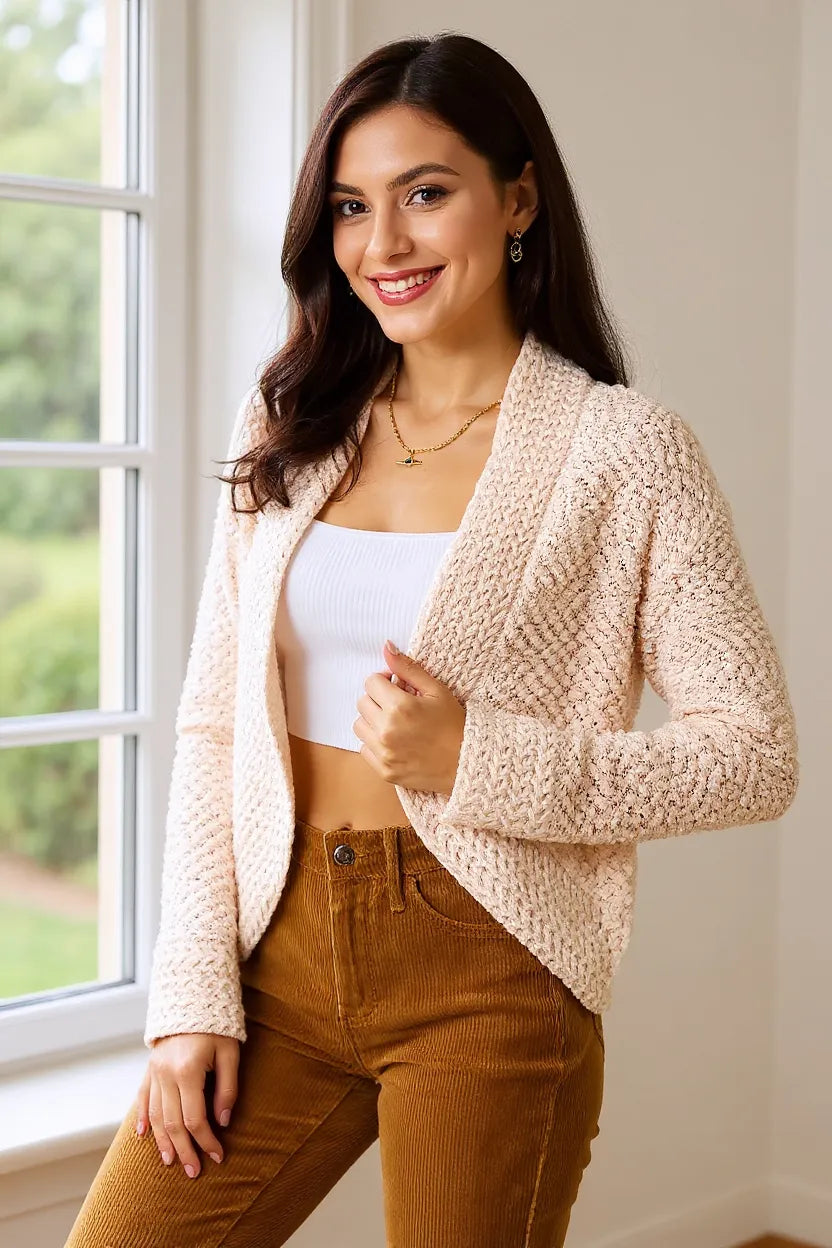
Open Front Cardigan — Cream
$36.00Media credits
Film still: Gaidar Iskakov / Pexels. Editorial atmosphere; pictured garments are not store products.
Source: https://www.pexels.com/video/fashionable-woman-walking-in-urban-summer-setting-30706004/
Film still: amin naderloei / Pexels. Editorial atmosphere; pictured garments are not store products.
Source: https://www.pexels.com/video/woman-walking-on-a-calm-urban-street-34994965/
Stock license: https://www.pexels.com/license/